Behavioral Analytics Powering Tailored Incentives for UK Sports Bettors
Written by Greta Walter · Jun 27, 2026
Behavioral Analytics Powering Tailored Incentives for UK Sports Bettors
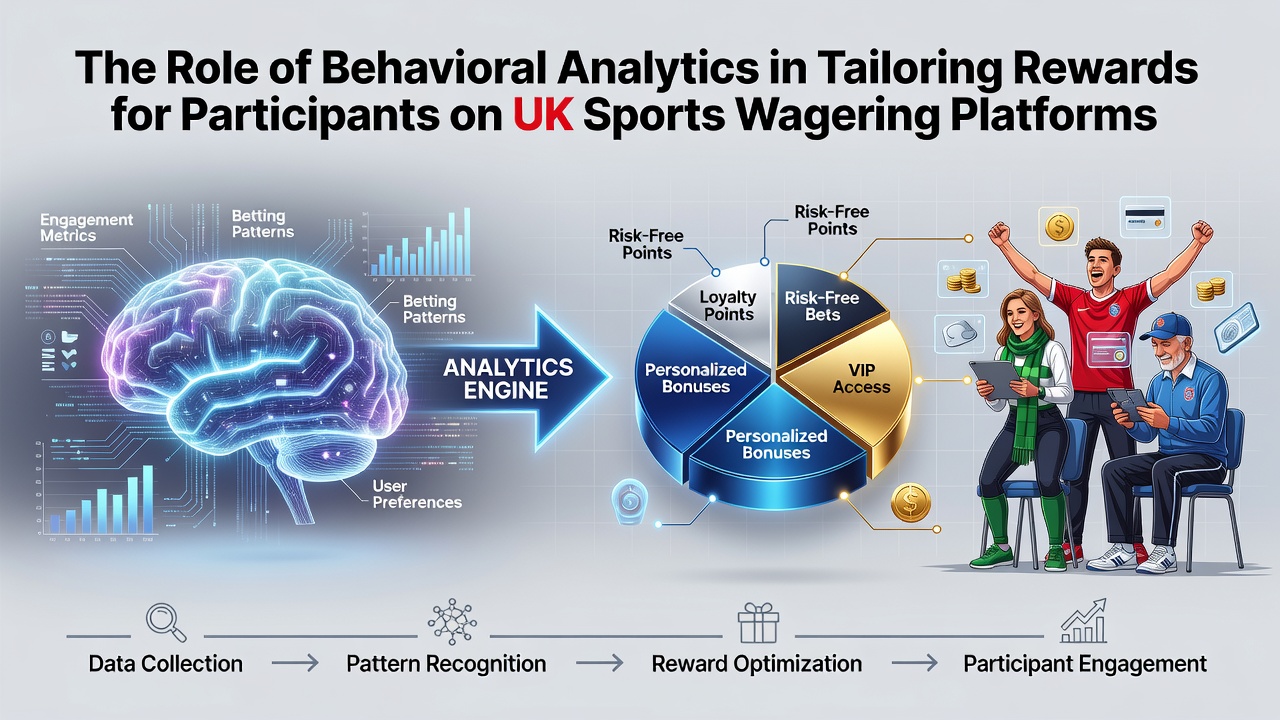
Behavioral analytics has become central to how UK sports wagering platforms design and distribute rewards, with operators collecting detailed data on betting patterns, session durations, and preferred markets to create individualized offers that match each participant's habits. Platforms track variables such as stake sizes, frequency of live bets, and responses to previous promotions, then apply algorithms that adjust bonus structures accordingly, and this approach allows companies to allocate resources more precisely while participants receive incentives aligned with their typical activity levels.
Data Collection Methods in Practice
Operators gather information through account interactions and in-app behaviors, including the types of sports selected, timing of wagers placed during events, and navigation paths across different betting sections, and they combine this with demographic details to build comprehensive profiles that inform reward decisions. Researchers at institutions like the University of Sydney have examined similar tracking systems in other jurisdictions, noting that such datasets enable platforms to identify segments such as high-volume accumulator users or occasional live-bet participants, which then guides the distribution of free bets or deposit matches tailored to those groups.
Personalization Techniques and Reward Structures
Once profiles are established, platforms deploy machine learning models that predict which reward formats will encourage continued engagement without overspending on incentives, and examples include offering boosted odds on specific leagues for users who frequently bet on football while providing cashback on losses for those who prefer tennis markets. What's interesting is how these systems differentiate between new registrants, who often receive welcome packages based on initial deposit behavior, and longer-term users whose rewards evolve according to shifting patterns observed over multiple months. Data from industry reports shows that personalized rewards can increase retention rates by aligning offers with demonstrated preferences rather than generic promotions distributed uniformly across all accounts.
Regulatory and Ethical Considerations
UK platforms must balance analytics-driven customization with broader responsible gambling standards, incorporating features that flag unusual activity patterns and adjust reward eligibility accordingly, and this includes limiting promotional intensity for accounts showing signs of rapid escalation in betting volume. The Canadian Centre on Substance Use and Addiction has published findings on behavioral monitoring in gambling environments, highlighting how operators in various regions use similar data to support harm-minimization tools alongside reward programs, and such approaches help maintain compliance across different regulatory frameworks while still delivering targeted incentives.
Implementation Trends Observed by June 2026
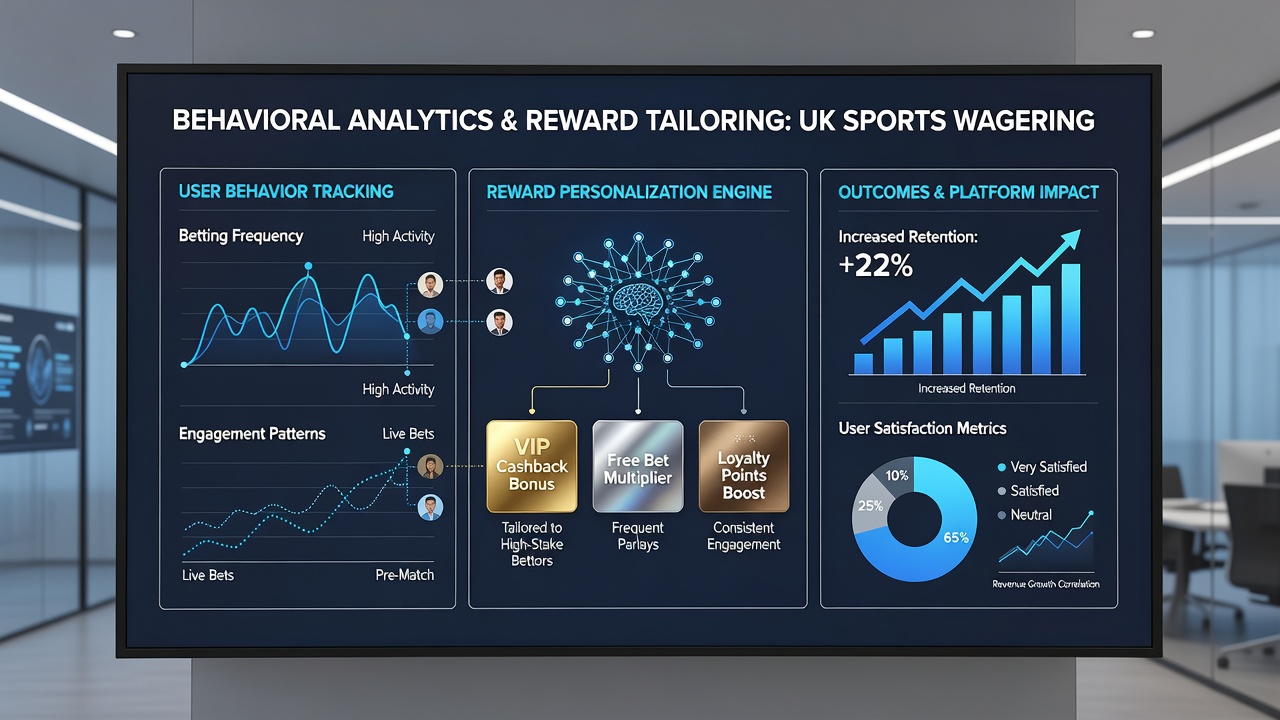
By June 2026 many UK operators had expanded their analytics capabilities to include real-time adjustments during live events, allowing reward offers to respond to a participant's current session behavior rather than relying solely on historical data, and this shift has led to more dynamic structures such as instant free bet triggers based on consecutive wagers placed within a single match. Observers note that these refinements reduce blanket promotions in favor of segmented campaigns, which in turn affects how participants encounter and utilize available incentives across different sportsbooks. Academic studies from the University of Laval in Canada have explored parallel developments in mobile gambling applications, revealing that granular behavioral segmentation contributes to measurable differences in how rewards influence user retention across varied demographic cohorts.
Impact on Platform Operations and Participant Experience
Analytics integration influences operational decisions around marketing budgets and customer support prioritization, with platforms directing higher-value rewards toward segments that demonstrate consistent but moderate activity levels while scaling back offers for those who respond less frequently, and participants often find that their available promotions change over time as their betting profiles mature. This evolution creates a feedback loop where reward receipt shapes future behavior, which the system then records for subsequent adjustments, and the result is a more fluid relationship between operator and user compared with static bonus schemes used in earlier years. External analyses indicate that such systems have contributed to overall growth in active accounts by making incentives feel more relevant to individual preferences.
Conclusion
Behavioral analytics continues to refine how UK sports wagering platforms allocate rewards, relying on detailed user data to generate offers that reflect specific betting histories and current engagement levels, and this methodology supports both commercial objectives and regulatory expectations around targeted promotion. As tracking technologies advance, the precision of these systems is expected to increase further, shaping the structure of incentives available to participants across the sector.