Cashback Mechanisms Emerge as Key Alternatives in Betting Operator Promotions
Written by Greta Walter · Jul 13, 2026
Cashback Mechanisms Emerge as Key Alternatives in Betting Operator Promotions
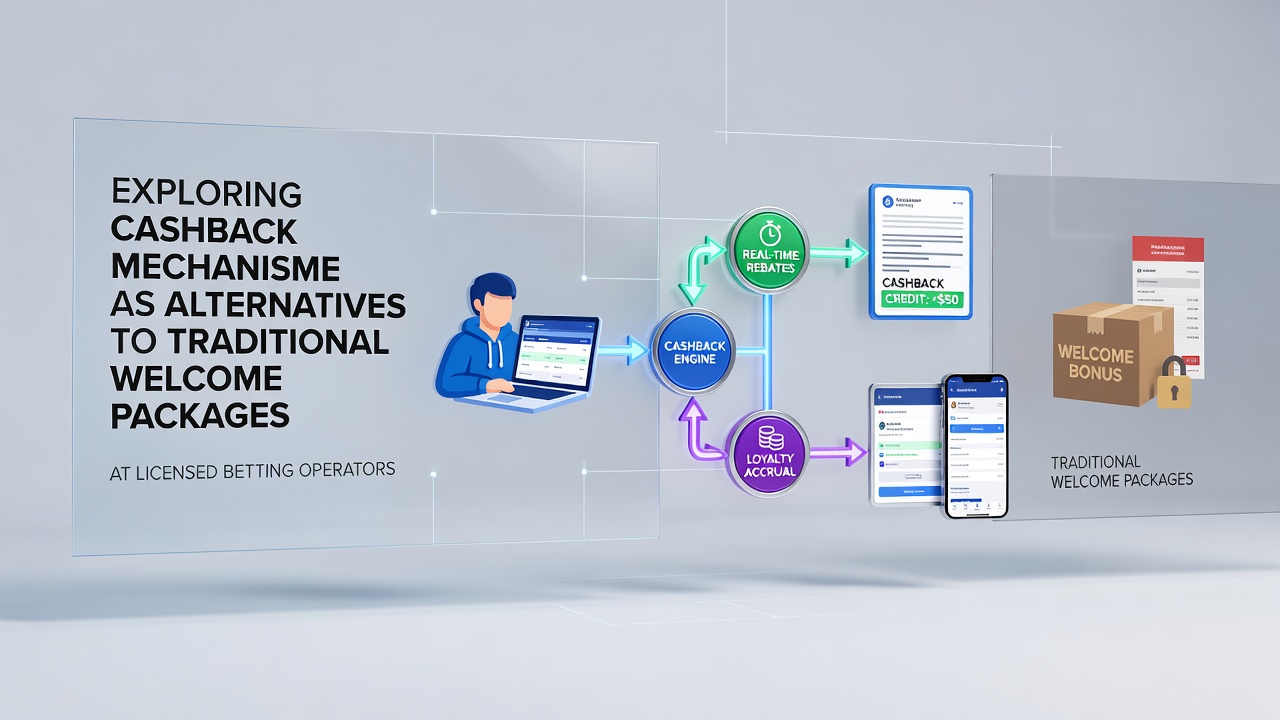
Operators across regulated markets have shifted focus toward cashback structures that return portions of losses directly to player accounts, and these programs differ from upfront deposit matches or free bet bundles in both structure and payout timing. Research from the Australian Institute of Family Studies shows participation rates in loyalty-style returns climbed steadily through mid-2026, driven by operators seeking retention tools that activate after activity rather than before.
Mechanics of Cashback Programs
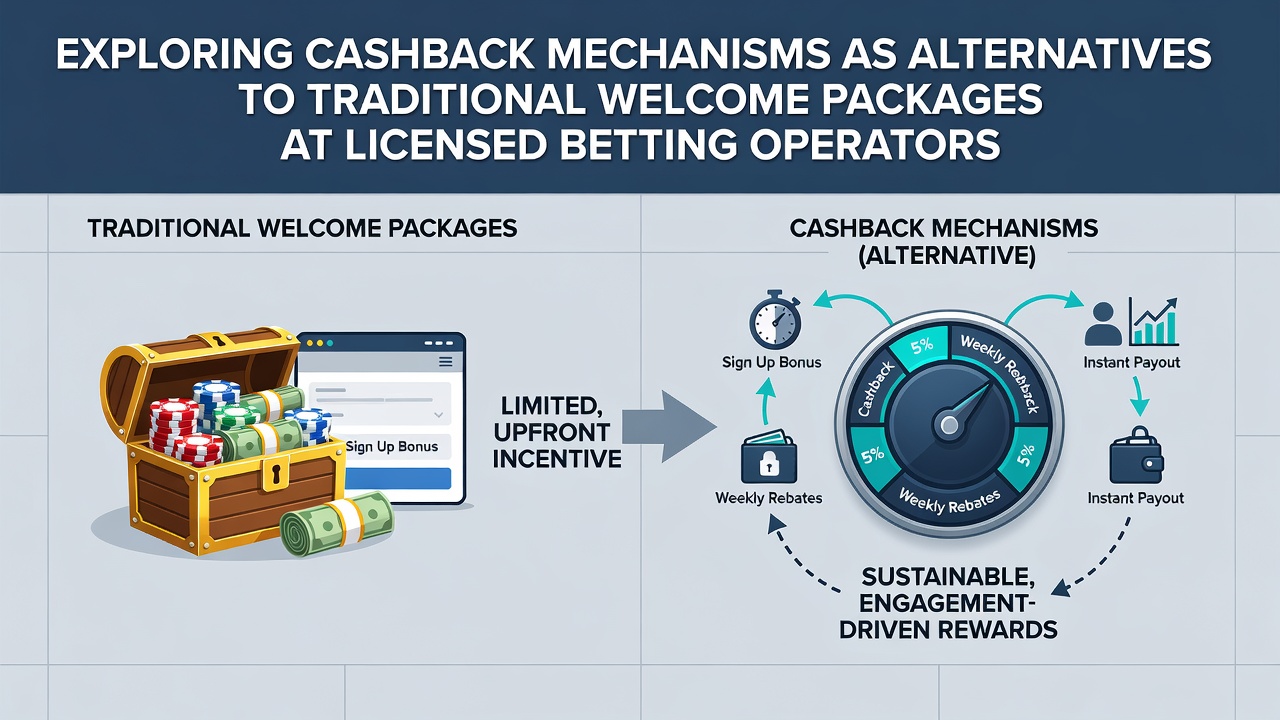
Cashback operates on a percentage basis applied to net losses over defined periods, typically weekly or monthly, with funds credited as withdrawable balance or bonus credit depending on operator terms. Licensed platforms calculate eligibility using verified betting volume minus winnings, then apply tiered rates that increase with total activity; higher-volume accounts often receive 5 to 15 percent returns while standard users start at lower thresholds. This model spreads reward delivery across ongoing engagement instead of concentrating value at sign-up.
Traditional Welcome Packages Compared
Deposit-match offers and free bet bundles deliver immediate value upon first funding yet require wagering multiples that can exceed 30 times the bonus amount before withdrawal eligibility. Cashback sidesteps many of those multipliers by tying returns to realized losses, which reduces the need for extended play cycles before funds become accessible. Operators report that cashback participants maintain longer account activity spans because each session contributes toward future returns rather than fulfilling a single upfront condition.
Market Trends Through July 2026
Data gathered from multiple European licensing jurisdictions indicates cashback adoption among operators rose approximately 18 percent year-over-year by July 2026, coinciding with tighter advertising restrictions on acquisition bonuses. Platforms in Australia and parts of Canada introduced segmented cashback tiers that reward consistent weekly participation, while US state-licensed sportsbooks tested loss-return promotions tied to mobile app usage metrics. These adjustments reflect efforts to comply with regional responsible gambling frameworks without eliminating incentive value entirely.
One mid-sized operator in New South Wales documented a 22 percent increase in monthly active users after replacing a standard welcome bonus with a tiered cashback schedule that reset every 30 days. The change allowed the platform to allocate marketing spend toward retention rather than first-time acquisition, and internal metrics showed reduced chargeback rates among users who received periodic loss returns.
Regulatory and Operational Considerations
Licensing bodies require clear disclosure of cashback percentages, qualifying loss periods, and any caps on monthly returns, which keeps the mechanism transparent for users and auditors alike. Because rewards activate after losses occur, operators maintain detailed ledgers that separate promotional credits from standard balances to prevent commingling during audits. Industry groups such as the European Gaming and Betting Association have published guidance documents that outline minimum standards for loss-return promotions, emphasizing player protection measures including spend limits and self-exclusion integration.
Platforms that combine cashback with existing loyalty points programs create layered incentives where users accumulate both immediate returns and longer-term status benefits. This approach avoids the front-loaded cost structure of traditional welcome packages while still providing measurable value that scales with individual activity levels.
Conclusion
Cashback mechanisms continue to gain traction as operators refine retention strategies within licensed environments, and available figures through July 2026 demonstrate measurable shifts in how incentives are structured and delivered. The model aligns reward timing with actual play outcomes, which differentiates it from deposit-match formats that front-load value. Continued monitoring by regulatory authorities and industry researchers will determine how widely these programs expand across additional jurisdictions in coming periods.