Challenge-Based Rewards Reshaping User Patterns Across UK Gambling Platforms
Written by Greta Walter · Aug 13, 2026
Challenge-Based Rewards Reshaping User Patterns Across UK Gambling Platforms
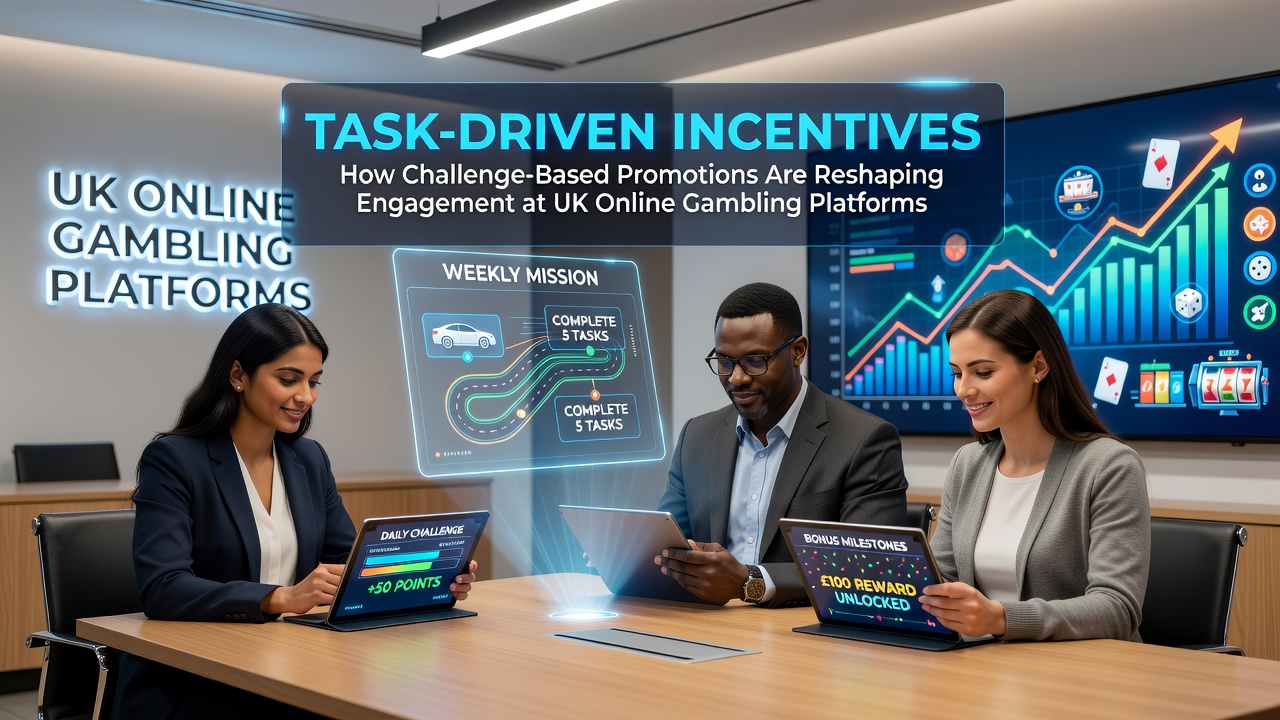
Task-driven promotions have gained traction on UK online gambling platforms as operators introduce structured challenges that require specific actions such as placing bets on designated sports, completing slot sessions within time frames, or achieving certain wagering volumes to unlock tiered rewards. These systems differ from traditional deposit matches because they tie incentives directly to user activity rather than initial funding alone, and data from industry tracking services shows rising adoption rates through 2026.
Operators structure these challenges around daily, weekly, or seasonal missions that guide players through sequences of tasks, with completion metrics displayed in app dashboards. Research from the University of Nevada Las Vegas International Gaming Institute indicates that such formats increase session frequency because participants return to track progress and claim incremental rewards, while completion rates vary based on task complexity and reward visibility.
Mechanics Behind Challenge Structures
Most platforms segment challenges into categories that include sports betting streaks, casino game rotations, and live event participation, each carrying point values that accumulate toward bonus funds, free spins, or cashback percentages. One operator might require three football accumulator bets over a weekend followed by a minimum stake on a live market, whereas another sequences slot spins across multiple titles before releasing a deposit multiplier. These layered requirements encourage broader platform exploration because users often need to switch between product verticals to finish a full set.
Progress tracking relies on real-time notifications and visual meters that update after each qualifying action, which helps maintain momentum across multiple logins. According to figures released by the Canadian Centre on Substance Use and Addiction in their 2025 cross-border gaming report, platforms using visible progress indicators recorded higher repeat login rates than those relying solely on static bonus offers, though the study noted that effect sizes differed by player tenure and preferred game type.
Impact on Participation Metrics
Engagement data collected through August 2026 reveals measurable shifts in how users interact with UK sites that have rolled out challenge systems at scale. Average sessions per active account rose in several verticals because completing one task often unlocked access to the next, creating chained activity loops. Sportsbooks reported increased volume on midweek fixtures that previously saw lower traffic, while casino sections experienced steadier play across less popular titles when challenges directed users toward them.

Those who have examined retention curves note that players who finish at least one challenge cycle tend to maintain accounts longer than non-participants, though churn still occurs when task difficulty exceeds perceived reward value. Operators adjust parameters periodically, softening or tightening requirements based on aggregate completion data to balance accessibility with business objectives.
Regulatory Context and Operator Adjustments
UK platforms operate under strict advertising and fairness rules that require clear disclosure of challenge terms, including wagering contributions and expiry periods. Compliance teams review task language to ensure it does not imply guaranteed outcomes, and several sites added pop-up confirmations that restate eligibility criteria before players accept a new mission set. External audits by bodies such as the European Gaming and Betting Association track adherence across member operators, with reports highlighting that transparent mechanics correlate with fewer player complaints about unredeemed rewards.
Platform teams also monitor for unintended patterns, such as concentrated betting on single events to meet volume targets, and have introduced caps or diversification requirements in newer challenge iterations. These modifications emerged after internal reviews showed some users concentrating activity rather than spreading it, prompting refinements that reward balanced participation instead.
Player Response Patterns
Surveys conducted by independent research groups indicate that a segment of users appreciates the guided structure because it provides clear goals and visible milestones, while others prefer unrestricted play and opt out of challenge modes entirely. Mobile app analytics from August 2026 show that push notifications tied to challenge deadlines drive short-term spikes in logins, yet sustained engagement depends more on reward relevance than notification frequency alone.
Take one cohort of users who joined multiple operators offering parallel challenge programs: completion rates climbed when rewards aligned with existing betting preferences, such as football-focused missions for sports enthusiasts or jackpot slot targets for casino regulars. Conversely, mismatched tasks produced lower uptake and faster drop-off, prompting operators to introduce preference filters that tailor mission sets to individual histories.
Conclusion
Challenge-based promotions continue to evolve on UK gambling platforms as operators refine task parameters, reward structures, and notification strategies in response to usage data. The format connects incentives to measurable actions, which alters how some users plan their activity across sessions and product types. Ongoing adjustments reflect efforts to maintain compliance while supporting participation levels that align with platform goals, and further shifts will likely depend on performance metrics gathered through the remainder of 2026 and beyond.