Deposit Match Reload Patterns in UK Mobile Betting Applications
Written by Kai Peters · Aug 17, 2026
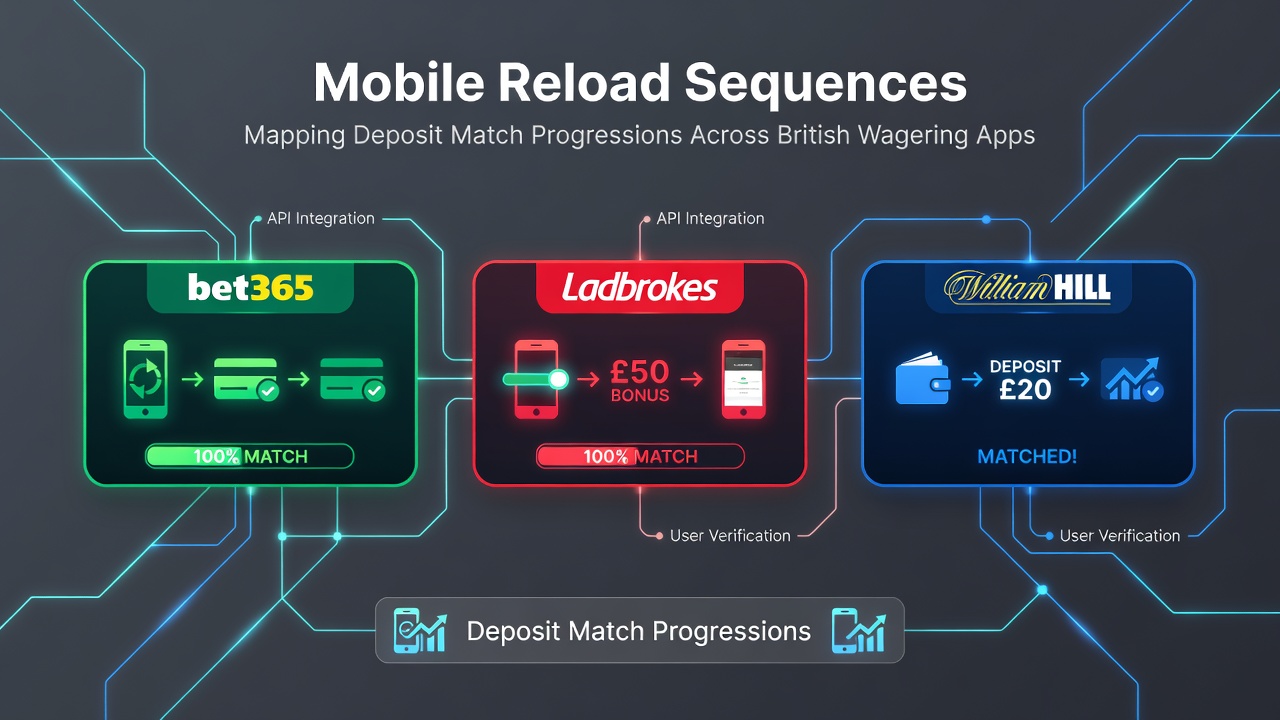
Deposit Match Reload Patterns in UK Mobile Betting Applications
Deposit match reload patterns have become a standard feature across British wagering applications, where operators structure offers around sequential deposits that unlock percentage-based bonuses on each transaction. These sequences typically unfold over multiple days or weeks, with users depositing set amounts to receive matches that range from 50% up to 200% depending on the tier reached. Data collected through app analytics in August 2026 shows consistent uptake, as participants complete initial deposits to trigger the first match before progressing to subsequent levels that require higher cumulative amounts.
Core Mechanics of Reload Sequences
Operators define reload sequences through clear progression rules that tie bonus eligibility to deposit frequency and value. A common structure begins with a 100% match on the first deposit within a seven-day window, followed by reduced percentages on the second and third deposits unless users hit volume thresholds that reset the rate. These rules appear in app terms, where minimum deposit levels start at £10 and escalate to £50 or more for later stages, while maximum bonus caps prevent unlimited accumulation. Observers note that such layering encourages repeated engagement without requiring users to switch platforms mid-sequence.
Progression Mapping Across Platforms
British apps map these progressions in user dashboards that display completed deposits alongside remaining steps needed for the next match. One sequence might require three deposits of £20 each to unlock escalating bonuses, whereas another spreads matches across five smaller transactions to accommodate varied bankroll sizes. Researchers tracking app behavior in 2026 found that completion rates climb when dashboards include visual progress bars that update in real time after each verified deposit. This mapping approach reduces confusion because users see exact amounts still required before the bonus activates.
Variations emerge when apps incorporate time-based resets, such as weekly cycles that restart every Monday, allowing fresh sequences to begin regardless of prior completion status. And yet the core remains consistent: each deposit triggers an automatic match calculation based on the current position in the sequence. Those who study these systems report that apps using staggered caps, where early deposits receive higher percentages and later ones taper, maintain steady participation throughout the full cycle.
Integration with App Features
Mobile interfaces integrate reload sequences directly into deposit flows, prompting users with on-screen indicators once they enter the amount field. Notifications appear after teh first match activates, reminding participants of the next deposit deadline to maintain sequence momentum. Industry reports from sources like the European Gaming and Betting Association highlight how these in-app prompts correlate with higher sequence completion across European markets that share similar regulatory frameworks with Britain. The integration keeps the process contained within the app environment rather than directing users elsewhere.
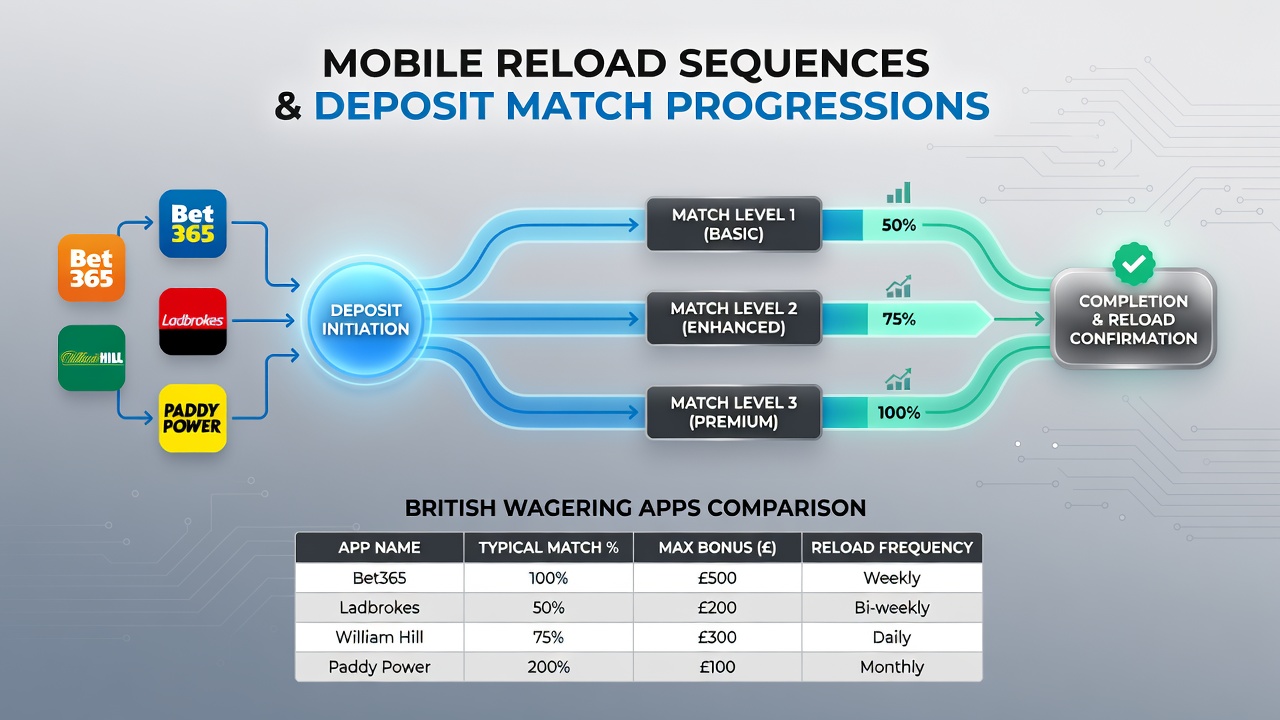
Payment method compatibility also shapes sequence design, since certain apps restrict matches to specific options like cards or e-wallets while excluding others. Users who complete sequences with approved methods receive bonuses credited instantly, whereas alternative methods may trigger manual review periods that delay progression. This distinction appears in app settings, where the sequence tracker flags eligible payment types before each deposit step begins.
Tracking and Verification Processes
Apps employ automated verification systems that log each deposit against sequence requirements and flag any discrepancies immediately. When a deposit falls short of the tier threshold, the system pauses the progression and notifies the user of the shortfall amount needed to advance. Studies from academic groups such as the University of Queensland Centre for Gambling Research indicate that transparent tracking reduces user drop-off because participants understand their exact standing without external inquiries. Verification occurs server-side, ensuring sequence integrity across devices even when users switch between phone and tablet sessions.
Seasonal adjustments appear in some sequences around major events, where operators temporarily increase match percentages for deposits made during those windows while preserving the overall step count. These adjustments do not alter the base structure but layer additional value onto existing progressions. Data from August 2026 reflects stable sequence lengths despite these temporary boosts, suggesting operators prioritize consistency over frequent structural changes.
Conclusion
Deposit match reload patterns continue to evolve through refined progression mapping and tighter app integration that guides users step by step. British wagering applications maintain these sequences by balancing deposit requirements with clear visual tracking and automated verification. As patterns stabilize into established cycles, the focus remains on accurate mapping that supports repeated participation without unnecessary complexity.