Embedding Live Incentives: Technical Approaches to Real-Time Promotions in UK In-Play Betting Platforms
Written by Katja Brooks · Jun 11, 2026
Embedding Live Incentives: Technical Approaches to Real-Time Promotions in UK In-Play Betting Platforms
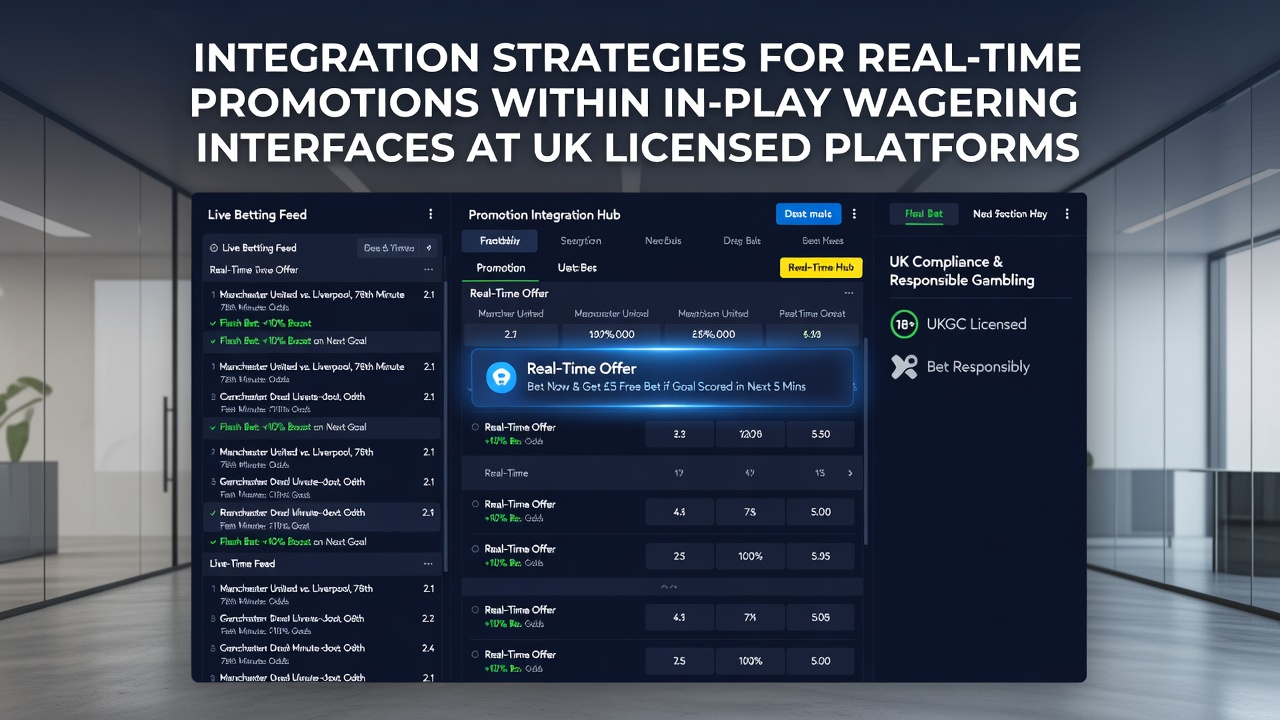
UK licensed platforms have developed multiple technical pathways to deliver promotions directly inside live wagering interfaces, and those pathways rely on coordinated systems that update offers while matches unfold. Operators connect backend promotion engines to front-end displays through application programming interfaces that push updates in milliseconds, and this setup allows odds boosts or cashback triggers to appear alongside active bet slips without requiring page reloads.
Backend Architecture and API Coordination
Developers structure promotion logic around event-driven architectures where market data feeds from sports data providers trigger conditional rules stored in central databases. When a goal occurs in a football match, for instance, the system evaluates pre-set criteria such as stake thresholds or selection types and then activates matching offers through the same API endpoint that refreshes live odds. Observers note that platforms often maintain separate microservices for promotions so that marketing teams can adjust parameters without touching core betting engines, and this separation reduces latency risks during high-volume periods like major tournaments.
User Interface Placement and Visual Hierarchy
Design teams position promotional elements to avoid interference with primary betting controls, typically using persistent banners above bet builders or collapsible side panels that expand on user interaction. Colour contrast standards follow accessibility guidelines while still drawing attention to time-limited incentives, and animation sequences remain brief to maintain focus on the live event. Research from industry testing groups indicates that users respond more consistently when offers appear in the same screen region across different sports, which has led several operators to standardise layout templates for football, tennis and horse racing interfaces alike.
Compliance Timing and Regulatory Alignment
Platforms synchronise promotion activation with responsible gambling controls by embedding checks that pause offers when users reach deposit or loss limits set within the same session. As of June 2026, several operators have implemented automated flag systems that cross-reference promotion eligibility against account history before displaying any live incentive, and this step occurs within the same API call that retrieves updated odds. Data from regulatory reporting bodies such as the Gambling Research Exchange Ontario shows similar timing protocols emerging in other jurisdictions, which suggests a broader industry shift toward unified compliance layers across different regulatory environments.
Personalisation Through Real-Time Data Layers
Segmentation engines pull behavioural signals from previous in-play sessions to tailor which promotions surface for each account, and these signals include average stake size, preferred sports and historical response rates to specific offer types. The engine then ranks available incentives so that the most relevant one occupies the primary display slot while secondary options remain accessible through a menu. Observers have documented cases where this ranking reduced the number of dismissed notifications by measurable margins, although exact figures vary by operator and sport category.
Testing and Performance Monitoring
Quality assurance teams run continuous A/B tests that compare different promotion placement strategies during live events, measuring metrics such as click-through rates and subsequent bet completion. Monitoring dashboards track both technical latency and user engagement in parallel, allowing rapid rollback if an update introduces delays beyond acceptable thresholds. Industry reports from groups like the European Gaming and Betting Association highlight that operators maintaining sub-200-millisecond response times for promotion updates see higher retention of active sessions compared with slower implementations.
Conclusion
Integration of real-time promotions into UK in-play interfaces continues to rely on tightly coupled backend services, standardised interface patterns and layered compliance checks that operate within milliseconds of live market changes. These approaches allow platforms to deliver incentives while preserving the core flow of live betting, and ongoing refinements reflect both technical capabilities and regulatory expectations observed through mid-2026.