Inside the Algorithms: How Odds Enhancements Are Calculated for Recurring Users on British Wagering Apps
Written by Amir Simon · Jun 29, 2026
Inside the Algorithms: How Odds Enhancements Are Calculated for Recurring Users on British Wagering Apps
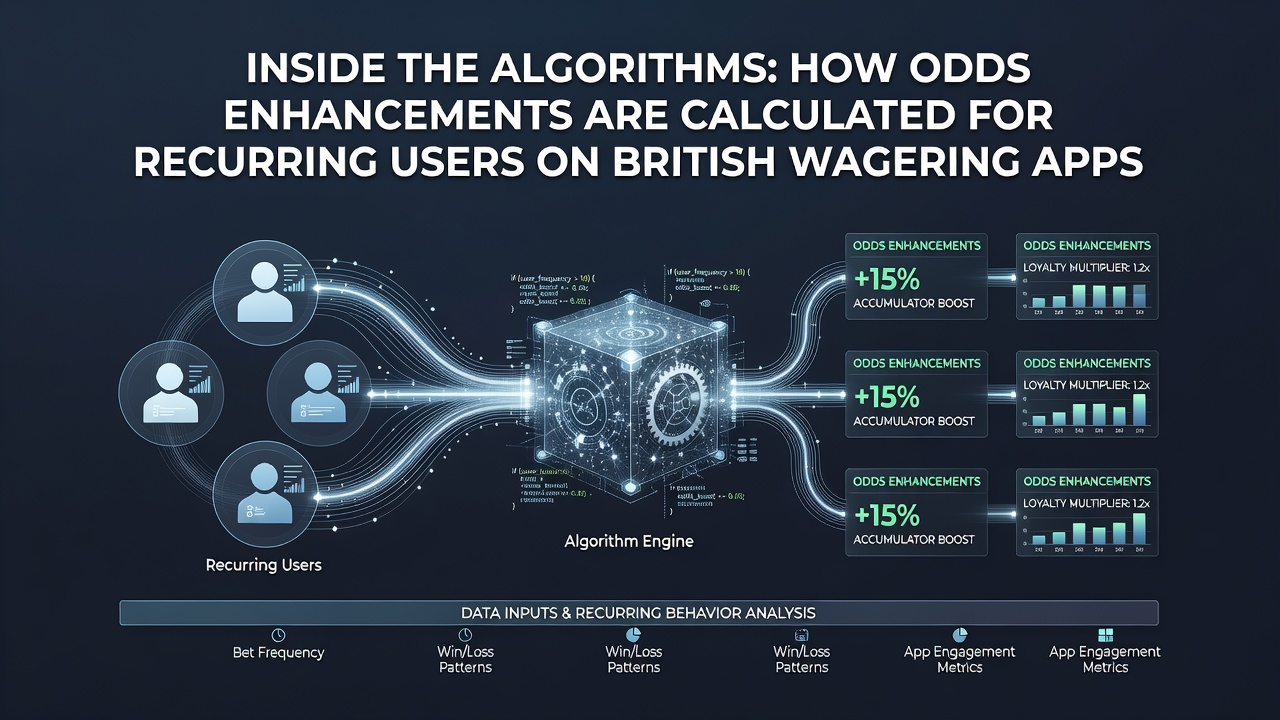
Algorithms powering British wagering apps process vast datasets to determine personalized odds enhancements for recurring users, and these calculations draw from betting histories, account activity levels, plus engagement metrics collected over time. Data shows that platforms segment users into categories based on frequency and volume, which allows systems to adjust promotions dynamically while operators balance risk exposure across their books.
Data Inputs Driving Personalization
Recurring users generate detailed profiles through repeated interactions, and algorithms analyze elements such as stake sizes, preferred sports or events, session durations, along with patterns in deposit and withdrawal behavior. Research indicates these inputs help models predict future activity, which in turn influences the scale of any odds boost offered during live markets or pre-event periods. Observers note that loyalty tiers often emerge from cumulative data points accumulated across months, creating a foundation for targeted enhancements that encourage continued participation.
Additional variables include device type, time of day for typical logins, plus responses to previous promotions, and these factors feed into scoring systems that rank users for eligibility. Figures from industry reports reveal how such segmentation supports efficient allocation of promotional budgets, directing larger adjustments toward segments projected to generate sustained returns.
Machine Learning Models in Action
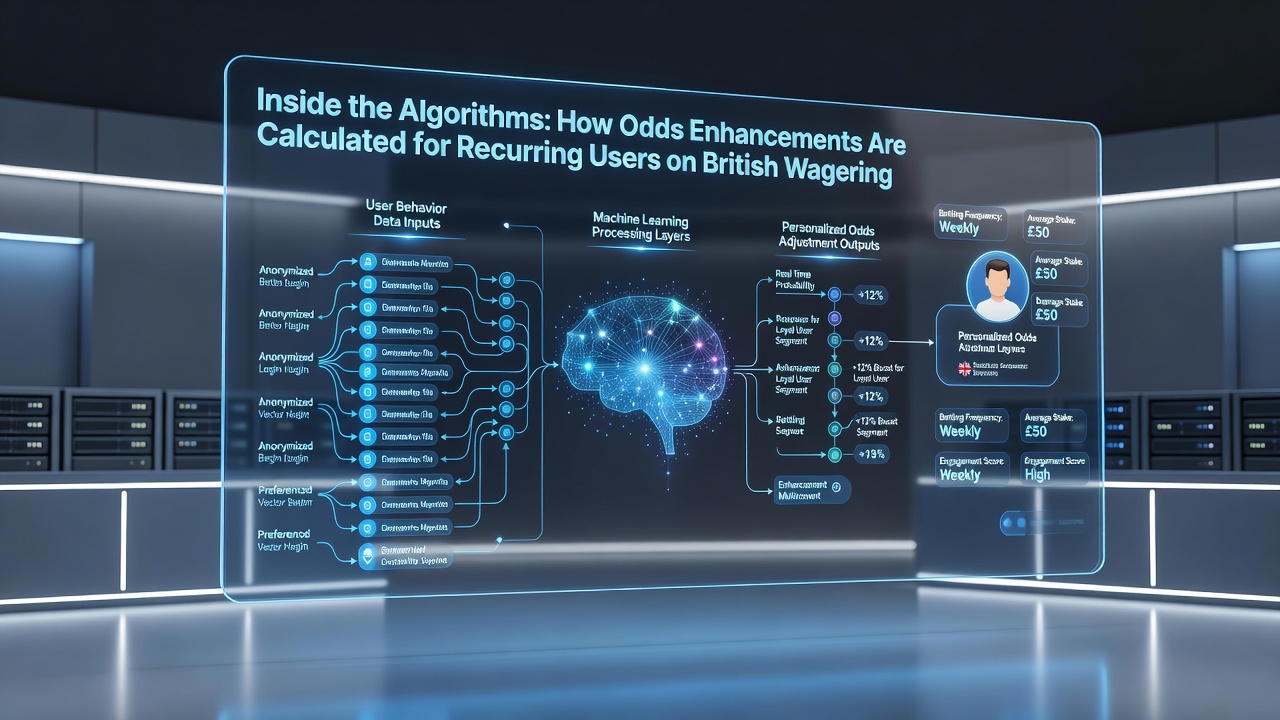
Machine learning frameworks underpin the core calculations, and these models train on historical user cohorts to forecast how specific enhancements might affect retention rates. Engineers at wagering firms deploy supervised learning techniques that correlate past boost offers with subsequent betting volumes, refining predictions through iterative updates. As of June 2026, several platforms have incorporated real-time feedback loops that adjust parameters mid-session based on live user responses.
Take one researcher who examined similar systems across European markets and found that gradient boosting algorithms often outperform simpler regression methods when handling high-dimensional user data. The models weigh hundreds of features simultaneously, while they also incorporate constraints to prevent overexposure on high-risk outcomes. What's interesting is how these systems integrate external signals like market liquidity indicators, which help calibrate enhancement levels without disrupting overall pricing integrity.
Factors Shaping Enhancement Levels
Algorithms evaluate risk-adjusted value for each potential enhancement, and this process accounts for the operator's margin requirements alongside projected user lifetime value. Recurring users with consistent win rates may receive moderated boosts compared to those exhibiting higher loss patterns, since the calculations aim to sustain long-term platform economics. Data from technology audits shows segmentation also considers geographic and regulatory compliance variables to align offers with regional standards.
- Historical performance metrics across multiple bet types
- Interaction frequency with specific app features like cash-out options
- Response rates to earlier personalized notifications
- Cross-category activity spanning sports and other verticals
Those who've studied these platforms know that ensemble methods combine outputs from multiple sub-models, which produces a composite score used to determine exact decimal or fractional adjustments on selected odds. This layered approach allows fine-grained control, while it reduces the chance of uniform offers that fail to resonate with distinct user groups.
Implementation Across Major Platforms
British apps deploy these algorithms through cloud-based infrastructures that scale during peak event periods, and integration with customer relationship management tools ensures seamless delivery of tailored enhancements. One study revealed that A/B testing frameworks continuously validate model performance by comparing enhancement outcomes across control and treatment user groups. Platforms update feature weights regularly to reflect shifting market conditions and user behavior trends.
According to reports from the American Gaming Association, similar algorithmic approaches in regulated markets emphasize transparency in how data informs promotional decisions. Yet operators maintain proprietary elements around exact weighting schemes to preserve competitive edges. There's this case where experts found that incorporating sentiment analysis from in-app feedback further refines the accuracy of predicted engagement following an odds adjustment.
Technical Safeguards and Compliance Elements
Systems incorporate audit trails that log every enhancement decision, and these records support internal reviews plus external examinations by relevant oversight bodies. Algorithms include thresholds that cap total promotional exposure per user cohort, which prevents unintended concentration of risk. Research from academic institutions such as the University of Nevada, Las Vegas highlights how responsible gaming modules run parallel to enhancement engines, flagging accounts that exhibit rapid escalation patterns.
External benchmarks from organizations like the European Gaming and Betting Association indicate growing adoption of explainable AI techniques, allowing operators to articulate the rationale behind specific offers when queried. This development aids in maintaining user trust while meeting evolving expectations around algorithmic accountability.
Conclusion
Algorithms calculating odds enhancements for recurring users on British wagering apps synthesize multiple data streams into actionable personalization outputs, and ongoing refinements reflect both technological advances and market dynamics observed through mid-2026. The processes balance user retention objectives with operational constraints, resulting in offers that adapt to individual profiles over time. Observers continue to track how these systems evolve in response to new data sources and analytical capabilities across the sector.