Loyalty Ladder Climbs: Examining Progressive Reward Structures Across UK Digital Wagering Platforms
Written by Amir Simon · Jul 2, 2026
Loyalty Ladder Climbs: Examining Progressive Reward Structures Across UK Digital Wagering Platforms
Digital wagering platforms across the UK have developed layered loyalty systems that reward consistent participation through accumulating points and ascending tiers, and these structures often tie higher benefits to increased activity levels while maintaining compliance with regulatory standards.
How Tiered Systems Operate in Practice
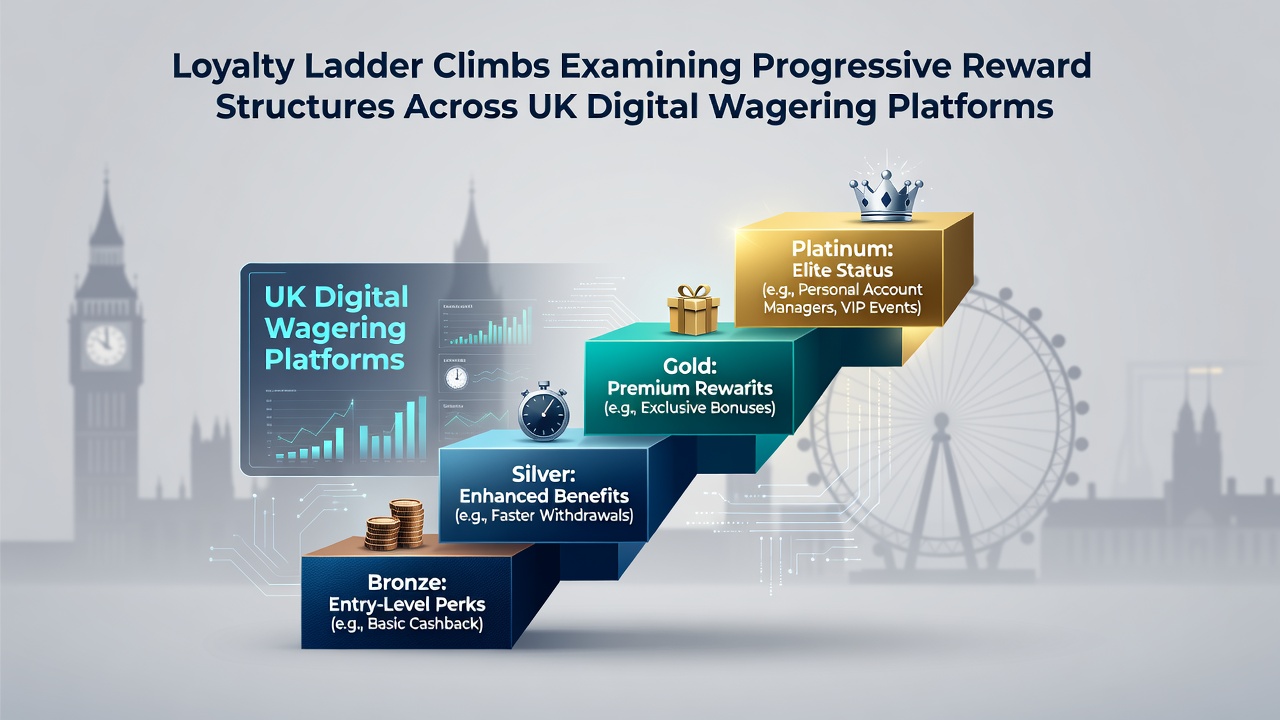
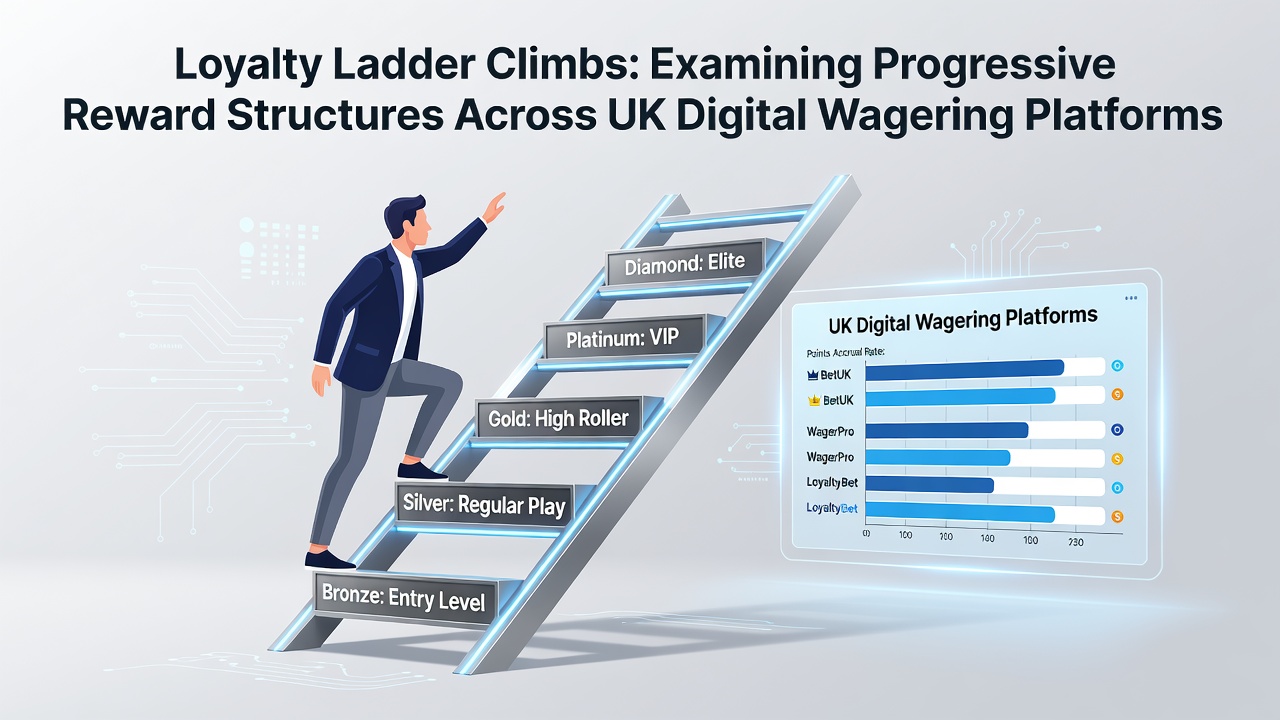
Operators structure rewards around point accumulation where bets convert into credits at set rates, and users progress from entry levels like bronze or silver into gold, platinum or diamond categories based on thresholds that reset periodically. Data from industry reports indicates these programs track metrics such as total stakes, frequency of deposits and session duration to determine advancement, which allows platforms to segment users and allocate tailored incentives accordingly.
Participants at lower tiers typically receive standard cashback percentages or occasional free bets, whereas those reaching upper levels gain access to personalised account managers, accelerated withdrawal processing and exclusive event invitations. Observers note that the progression mechanics encourage sustained engagement because each tier unlocks incremental improvements rather than one-off bonuses, and this pattern appears across multiple sites operating under remote licences.
Point Conversion and Reward Scaling
Conversion ratios vary by operator yet commonly follow formulas where £10 staked yields one loyalty point, and accumulated points exchange for bonuses at rates that improve with tier status. Higher tiers might convert points at 1.5 times the base value while adding multipliers on specific game categories, and such scaling reflects internal algorithms designed to balance player retention against operational costs.
Examples of Progressive Benefits
- Entry tiers grant basic reload matches on weekly deposits with standard wagering requirements.
- Mid tiers add insurance on accumulator bets and enhanced odds on selected markets.
- Top tiers include zero-fee withdrawals, birthday bonuses scaled to account history and invitations to loyalty-exclusive tournaments.
Research from the European Gaming and Betting Association shows that operators using these ladders report higher average revenue per user among those who reach advanced tiers compared with non-participants in loyalty schemes. The report further details how point expiry policies prevent indefinite accumulation, which pushes users to maintain activity to preserve status.
Integration with Mobile and Live Betting Features
Many platforms link loyalty points directly to mobile app usage and live event betting, granting bonus points during peak periods such as major football matches or horse racing festivals. This integration means users climbing the ladder often receive real-time notifications about personalised offers that align with their betting history, and the approach has contributed to documented increases in session frequency according to figures from academic studies on digital gambling behaviours.
By July 2026 several operators had introduced dynamic tier adjustments based on quarterly performance rather than fixed annual resets, allowing quicker movement for active users while protecting against rapid demotion. These changes coincide with broader platform updates that incorporate responsible gambling tools, such as optional spending caps tied to loyalty status, which help users monitor progress without exceeding predetermined limits.
Data Patterns Across Platforms
Comparative analysis of multiple UK-licensed sites reveals consistent emphasis on sports betting for point generation, although casino and virtual games contribute supplementary credits at differing ratios. Those who've examined operator disclosures find that VIP programmes often account for a disproportionate share of total bonus payouts despite representing a smaller percentage of registered accounts, and this distribution aligns with patterns observed in other regulated markets.
A study published by the Ontario Responsible Gambling Council examined similar tiered systems and found measurable differences in user retention rates between platforms employing progressive rewards versus flat bonus models. The findings highlight how structured ladders can extend average account lifespan when paired with transparent terms on point valuation and tier maintenance.
Regulatory Context and Compliance Measures
Platforms must ensure loyalty structures adhere to advertising codes and consumer protection guidelines, which means all promotional material clearly states eligibility criteria and any associated wagering conditions. External audits verify that point systems do not inadvertently promote excessive play, and operators publish summaries of reward distributions to demonstrate fairness across user segments.
Industry organisations continue to refine best practices for these programmes, incorporating feedback from user surveys that track satisfaction with reward accessibility at different tiers. Such efforts aim to maintain engagement while supporting broader harm minimisation objectives embedded in licensing frameworks.
Conclusion
Progressive reward structures on UK digital wagering platforms function through measurable point systems and tiered access that scale benefits according to participation volume. Available data from regulatory bodies and research institutions demonstrate consistent implementation patterns across operators, with variations mainly in conversion rates and additional perks at higher levels. These systems remain subject to ongoing oversight to balance commercial objectives with player protection requirements as market conditions evolve through 2026 and beyond.