Loyalty Ladders: How Tiered Benefits Are Redefining Player Retention Strategies at UK Online Betting Platforms
Written by Amir Simon · Aug 15, 2026
Loyalty Ladders: How Tiered Benefits Are Redefining Player Retention Strategies at UK Online Betting Platforms
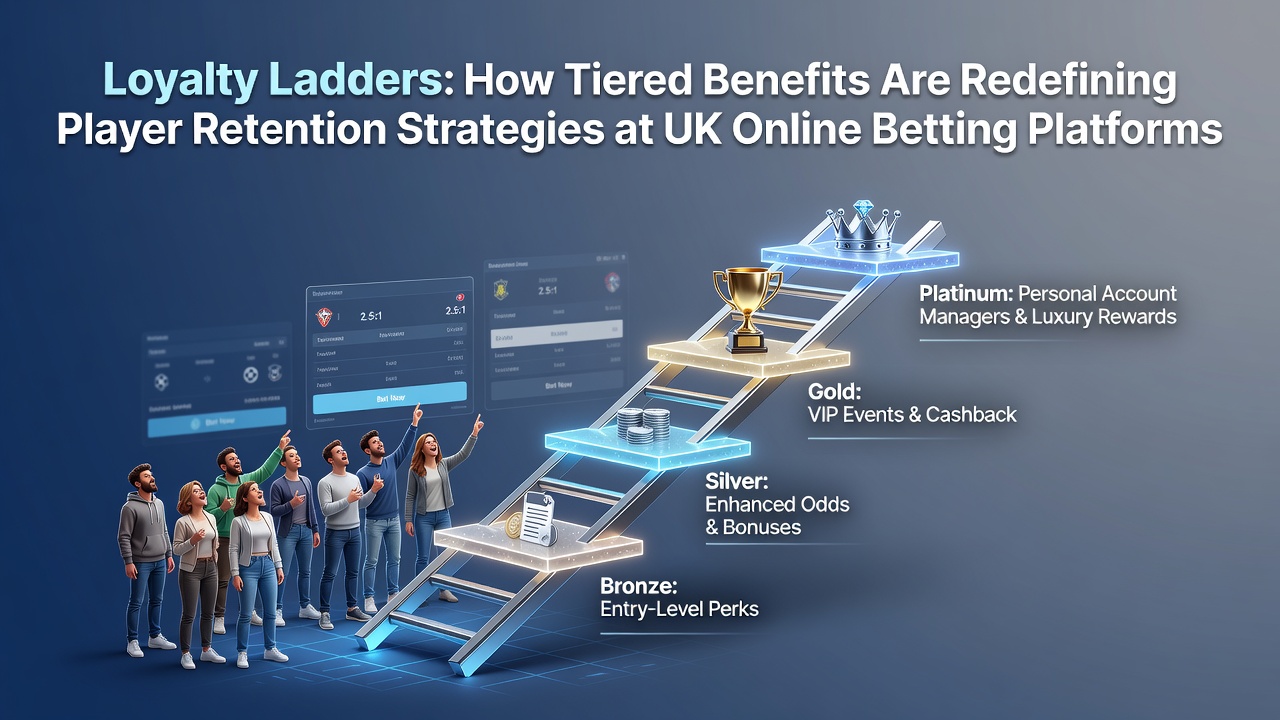
UK online betting platforms have expanded tiered loyalty programs in structured formats that reward cumulative player activity through progressive levels, and these systems now form a core component of retention efforts across major operators. Participants advance through bronze, silver, gold, and platinum stages based on deposit volume, wager frequency, and session duration, while each rung unlocks distinct incentives such as enhanced cashback percentages, priority customer support, and exclusive event access. Industry observers tracking these developments note that the approach mirrors patterns seen in other regulated gaming markets, where data from the Australian Gambling Research Centre indicates structured rewards can sustain longer engagement periods when calibrated to spending habits.
Mechanics of Advancement and Reward Allocation
Operators calculate tier progression using points systems that accumulate from eligible bets on sports markets, casino games, and virtual events, with thresholds reset monthly or quarterly depending on the platform. Higher tiers grant multipliers on loyalty points, reduced withdrawal times, and personalized bonus structures that adjust to individual betting patterns, while lower levels receive standard reload offers and basic free bet allocations. Research from the University of Nevada's gaming studies department shows operators who publish clear advancement criteria experience steadier movement between tiers, as transparent rules reduce player drop-off at intermediate stages.
Retention Outcomes Observed in 2026
By August 2026, several UK-facing platforms reported measurable shifts in repeat deposit rates after implementing refined loyalty ladders, with average player lifespan extending in segments that reached mid-tier status. These programs incorporate time-limited challenges that award bonus tier points for completing specific wager types, and operators adjust qualification windows seasonally to align with major sporting calendars. Figures from Canadian gaming industry analyses reveal similar retention lifts when loyalty mechanics integrate with live betting features, creating layered incentives that keep users active across multiple product verticals rather than single-session visits.
Comparative Structures Across Leading Platforms
Platforms differentiate their ladders through unique perk combinations, such as one operator offering tier-exclusive odds boosts on select football matches while another provides cashback on net losses capped at higher percentages for platinum members. Observers note that integration with mobile apps allows real-time tier status updates and push notifications for newly unlocked benefits, which correlates with increased session frequency according to cross-market comparisons. Those who have examined European gaming association reports highlight how operators in the UK have adapted models first tested in Australia and Canada, where tiered systems reduced churn by offering non-monetary rewards like merchandise and event tickets at upper levels.
Integration with Broader Promotional Strategies
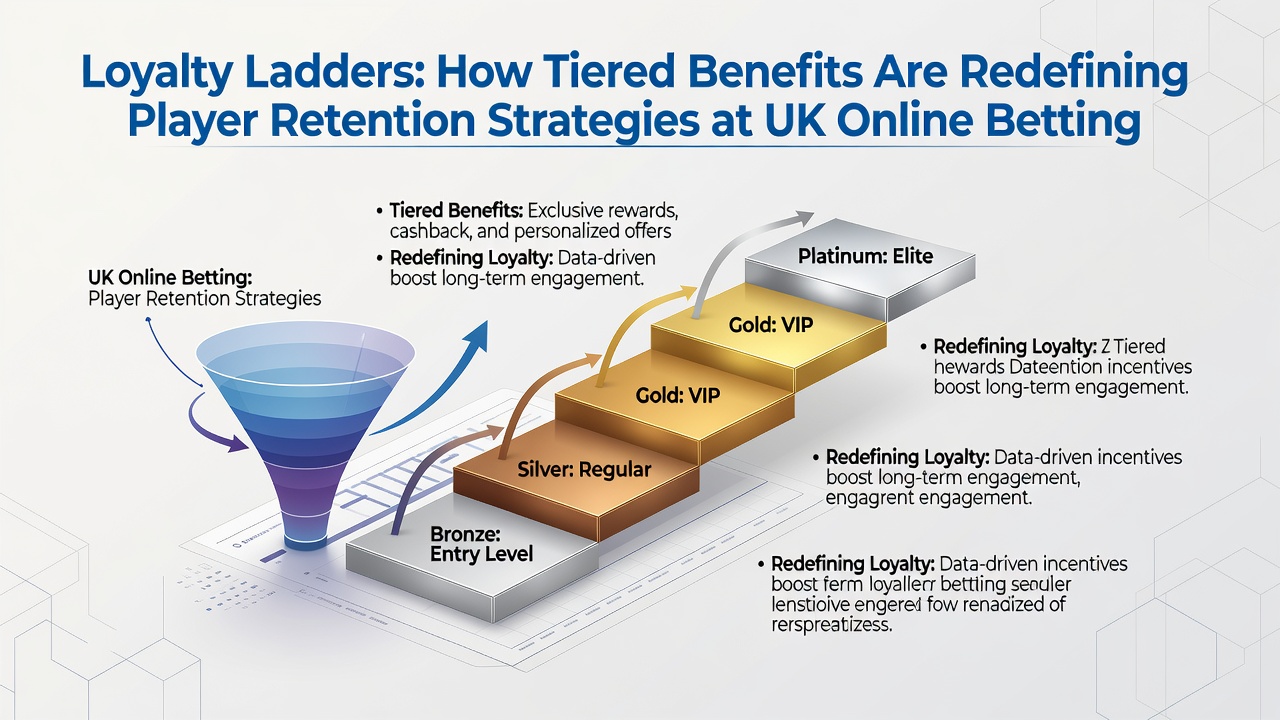
Tiered benefits frequently layer alongside welcome packages and periodic reload deals, creating compounded value that encourages sustained activity rather than one-off sign-ups. Platforms track cross-product engagement to accelerate tier movement for users active in both sportsbooks and casino sections, and this multi-vertical approach appears in data sets from multiple jurisdictions. What's notable is the shift toward personalized tier invitations sent to players nearing qualification thresholds, which operators time using behavioral analytics to maximize conversion into higher spending brackets.
Regulatory Context and Industry Standards
UK platforms operate these programs under existing licensing frameworks that require clear terms for all promotional mechanics, and compliance teams monitor tier communications to ensure players receive accurate information on qualification criteria. External benchmarks from the National Council on Problem Gambling in the United States provide operators with reference points for responsible gaming messaging within loyalty communications, while academic papers from Canadian institutions examine long-term effects of escalating reward structures on player behavior. These sources indicate platforms that embed spending limit tools directly into tier dashboards maintain higher compliance scores across reviewed markets.
Conclusion
Tiered loyalty structures continue to evolve as UK online betting platforms refine progression mechanics and reward types in response to player data patterns observed through 2026. The emphasis remains on measurable retention metrics achieved through transparent, activity-based advancement systems that connect directly to core betting products. External analyses from varied regulatory and academic bodies continue to inform how operators balance incentive depth with operational requirements in this segment of the market.