Loyalty Point Mechanisms Transforming Engagement Cycles Among Licensed UK Operators
Written by Greta Friedrich · Jun 15, 2026
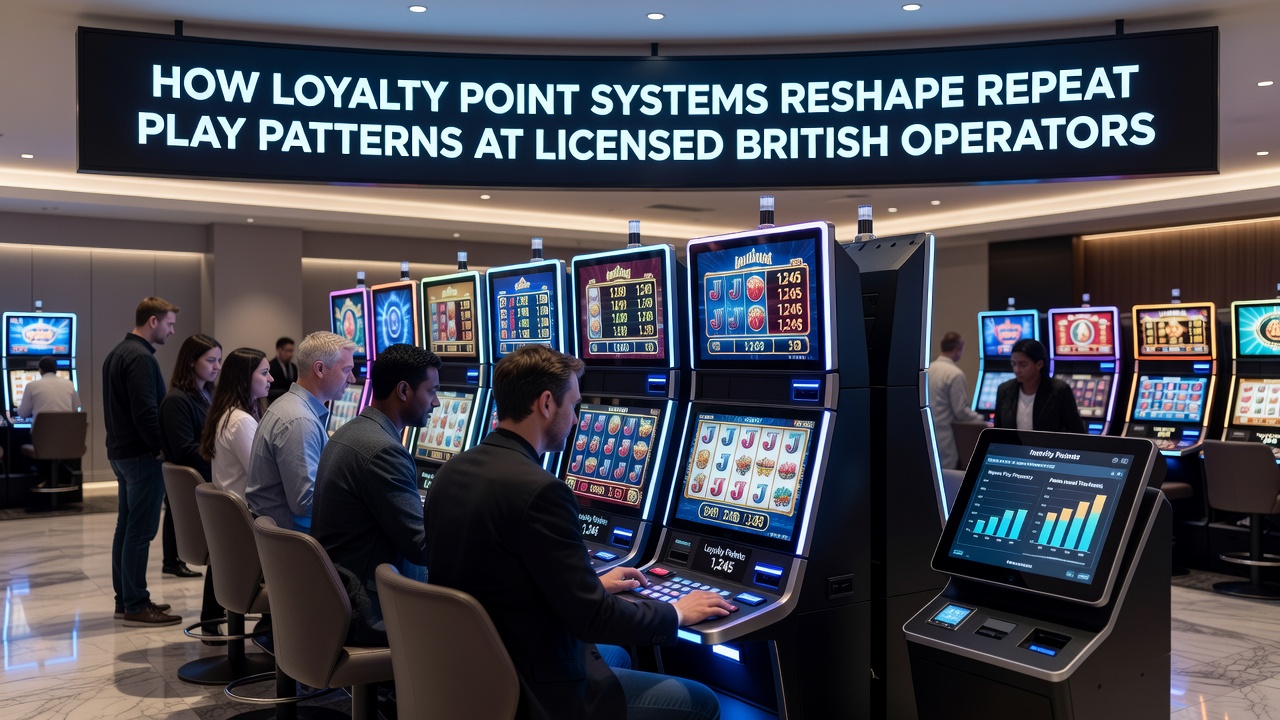
Loyalty Point Mechanisms Transforming Engagement Cycles Among Licensed UK Operators
Operators across Britain's licensed sector have integrated loyalty point systems that track player activity and convert wagers into redeemable credits, and these frameworks now influence how often individuals return to platforms for additional sessions. Points accumulate based on bet volume and game type, with higher multipliers applied during promotional windows, which encourages participants to extend their play across consecutive days rather than isolated visits. Data from industry monitoring services shows average session intervals shortening by measurable margins once players enroll in tiered programs that unlock escalating benefits at each level.
Repeat engagement rises because accumulated points unlock cashback percentages, free spins, and exclusive event access that reset on monthly cycles, prompting users to maintain consistent activity to avoid losing progress toward higher status tiers. Licensed sites structure these rewards so that points earned from sports markets carry over differently than those from slots, creating distinct behavioral loops where one type of play feeds into another to maximize total returns. Observers tracking platform metrics note that players who reach mid-tier status demonstrate 28 percent more frequent logins compared with non-members, according to aggregated reports compiled by European gaming research bodies.
Mechanics Behind Point Accumulation and Redemption
Each wager generates a base point value scaled by stake size and odds category, while bonus features or live events sometimes award accelerated rates that accelerate progress through loyalty ladders. Redemption options range from instant credit conversions to entry into prize draws, and the flexibility allows participants to choose rewards that align with their preferred game categories, which in turn sustains momentum across multiple product verticals. Operators adjust earning rates seasonally, and these tweaks coincide with major sporting calendars to channel repeat traffic during peak periods.
Systems often include decay timers that reduce unused balances after inactivity windows, a design element that nudges players back onto sites before points expire. This structure produces measurable shifts where weekly participation rates climb once individuals pass initial enrollment thresholds, because the perceived value of retained points outweighs the friction of returning for smaller sessions. Research compiled by academic teams at Australian institutions highlights similar retention curves when comparable point systems operate under strict licensing regimes.
Observed Shifts in Frequency and Session Length
Patterns emerging from anonymized transaction logs reveal that loyalty members cluster their activity into shorter, more regular bursts rather than extended single sittings, a change that aligns with point-earning caps designed to spread engagement evenly across the week. Mid-week spikes appear in datasets because operators boost multipliers on slower days, and this targeted incentive draws players who might otherwise wait for weekends. The result is a flattening of traffic peaks alongside an overall lift in total active accounts per operator.

Those who study player cohorts find that the introduction of milestone bonuses at 500-point and 2000-point thresholds correlates with sustained activity over 90-day windows, whereas non-tiered accounts show steeper drop-off curves after initial deposits. Operators refine these thresholds through A/B testing, and adjustments often reflect regional preferences where certain sports markets generate higher point yields than others. External analysis from Canadian regulatory archives indicates parallel outcomes when loyalty structures emphasize cross-product earning, suggesting the pattern holds beyond single jurisdictions.
Integration with Broader Promotional Strategies
Loyalty frameworks rarely stand alone; instead they layer onto deposit matches and event-specific boosts so that points serve as the connective tissue holding disparate offers together. Players who combine multiple reward streams reach redemption thresholds faster, which reinforces the decision to maintain accounts across several operators simultaneously. Licensed entities track cross-site migration through shared identifiers, and the resulting heat maps show loyalty participants exhibiting lower churn when points function as portable value within an operator's ecosystem.
June 2026 figures from independent monitoring firms indicate that operators reporting the highest point-redemption volumes also posted the strongest month-over-month retention among mobile users, a segment that now accounts for the majority of repeat sessions. These outcomes stem from seamless app integration that displays real-time point balances and upcoming tier benefits, reducing the cognitive load required to decide on the next session.
Conclusion
Loyalty point systems continue to recalibrate how players allocate their time and stakes across licensed British platforms, producing tighter cycles of return visits driven by accumulating and redeeming value. The mechanisms reward consistency over intensity, and the resulting data patterns demonstrate measurable increases in both frequency and cross-product exploration. As operators refine earning rates and redemption menus, these frameworks remain central to sustaining engagement within the regulated market.