Referral Networks Shaping Bonus Distribution in UK Wagering
Written by Greta Walter · Oct 16, 2026
Referral Networks Shaping Bonus Distribution in UK Wagering
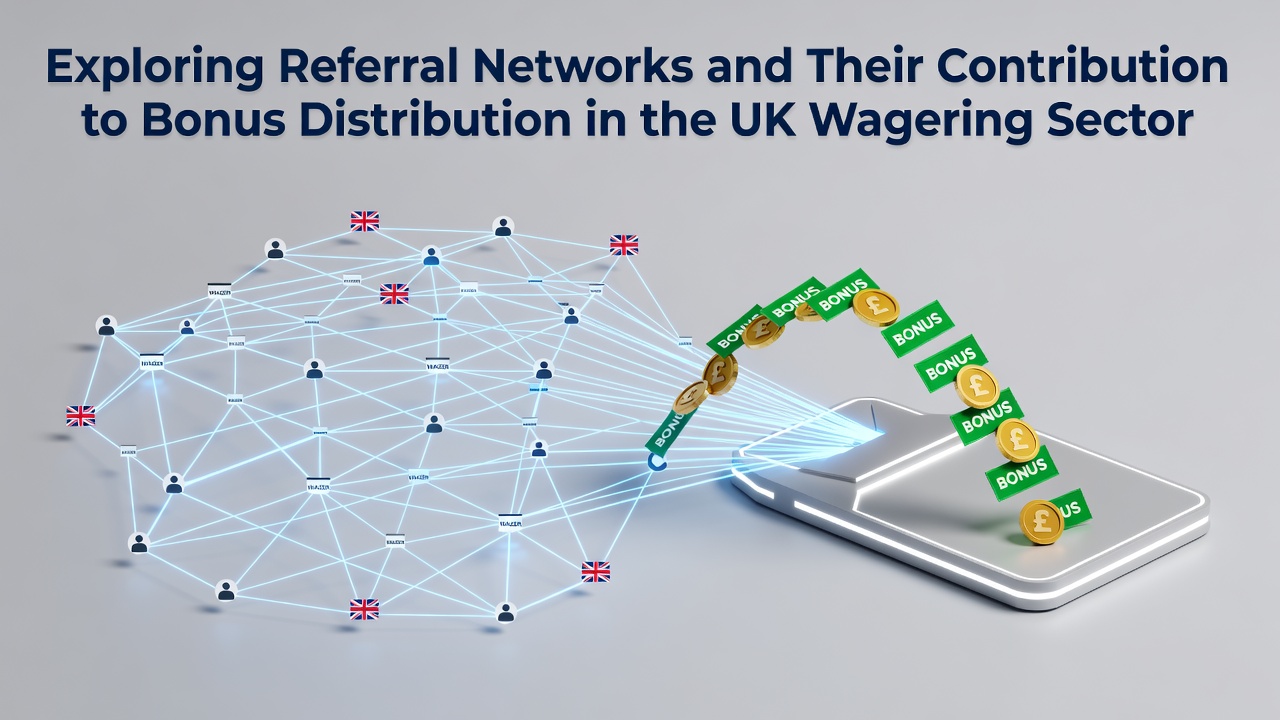
Referral networks operate as structured systems where existing users invite others to join wagering platforms and receive rewards in return while operators distribute bonuses through these pathways to expand their customer bases. These arrangements differ from traditional advertising because they rely on personal connections and peer endorsements that carry built-in trust factors.
Mechanics of Referral Programs in British Betting
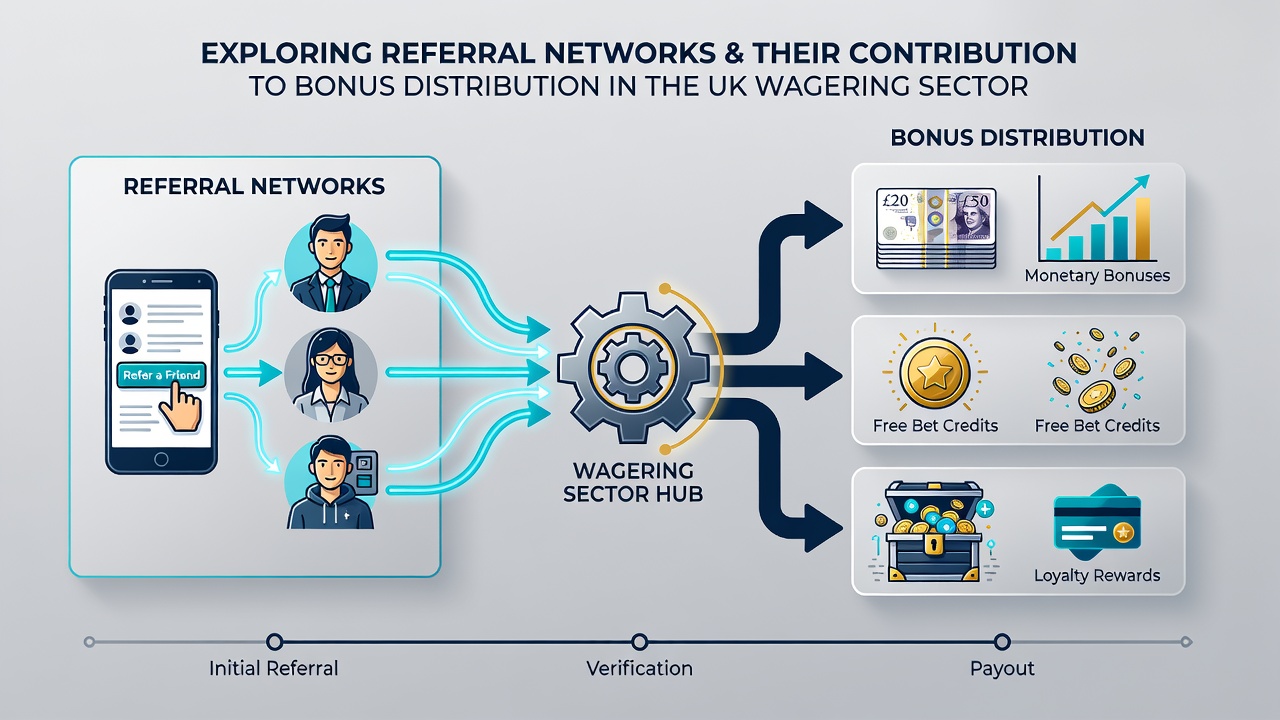
Operators design referral schemes so that both the referrer and the new user receive bonuses once the invited person completes registration and meets wagering requirements. The process starts when a current account holder shares a unique code or link then tracks the activity of the referred player through dedicated software. Bonuses appear as free bets, deposit matches, or cash credits once conditions such as minimum deposits or bet volumes are satisfied and the system logs the successful referral.
Data from platform operators shows that referral traffic often converts at higher rates than paid search campaigns because the initial contact comes from someone the new user already knows. Platforms adjust bonus values based on the lifetime value projected for each referred player and they monitor patterns to prevent abuse through multiple accounts or fake referrals.
Contribution to Overall Bonus Allocation
Referral networks account for a measurable share of total bonus distribution across the UK sector because they tie rewards directly to user growth rather than fixed marketing budgets. When one user brings in several others the cumulative bonuses issued multiply through the chain and operators allocate larger pools to referral incentives during peak seasons such as major football tournaments or horse racing festivals.
Studies from the European Gaming and Betting Association reveal that referral-driven bonuses frequently represent between fifteen and twenty-five percent of all promotional spend at major remote betting sites. The structure encourages operators to offer tiered rewards where users who refer multiple active players unlock higher value bonuses while the new accounts receive standard welcome packages funded through the same referral budget.
Patterns Observed Through October 2026
Through October 2026 operators reported sustained growth in referral program participation coinciding with increased mobile app usage and the expansion of in-play betting options. Figures indicate that referred users tend to maintain accounts longer and generate more consistent betting volumes than those acquired through generic promotions which leads platforms to prioritize referral budgets when planning quarterly bonus allocations.
Industry reports note that referral networks also influence how bonuses are structured with operators introducing time-limited referral windows tied to specific events. These windows allow higher bonus caps for successful referrals during periods of elevated activity and the resulting distribution spreads across both sports and casino verticals within the same operator groups.
Regulatory and Industry Context
Regulatory frameworks require clear disclosure of referral terms including eligibility rules and wagering conditions so that participants understand the obligations attached to each bonus. Compliance teams review referral activity logs to identify irregular patterns and they work with technology providers to maintain accurate tracking across multiple devices and IP addresses.
Research conducted by the University of Sydney's Gambling Treatment and Research Clinic highlights how referral systems interact with broader responsible gambling measures because teh social element of sharing codes can affect player behavior in ways that standard advertising does not. Platforms therefore integrate spend tracking tools into referral dashboards to flag accounts showing rapid increases in activity following referral bonuses.
Conclusion
Referral networks continue to serve as a primary channel for bonus distribution in the UK wagering sector by linking user acquisition directly to reward allocation. The systems create measurable pathways where bonuses flow from operators through referrers to new participants and the resulting data shapes future promotional strategies. As tracking technology advances and regulatory oversight remains consistent the role of these networks in determining how and when bonuses reach users is expected to stay central to operational planning.