Tiered Loyalty Systems in British Betting Platforms: Keeping Users Active Long After Initial Bonuses
Written by Amir Simon · May 16, 2026
Tiered Loyalty Systems in British Betting Platforms: Keeping Users Active Long After Initial Bonuses
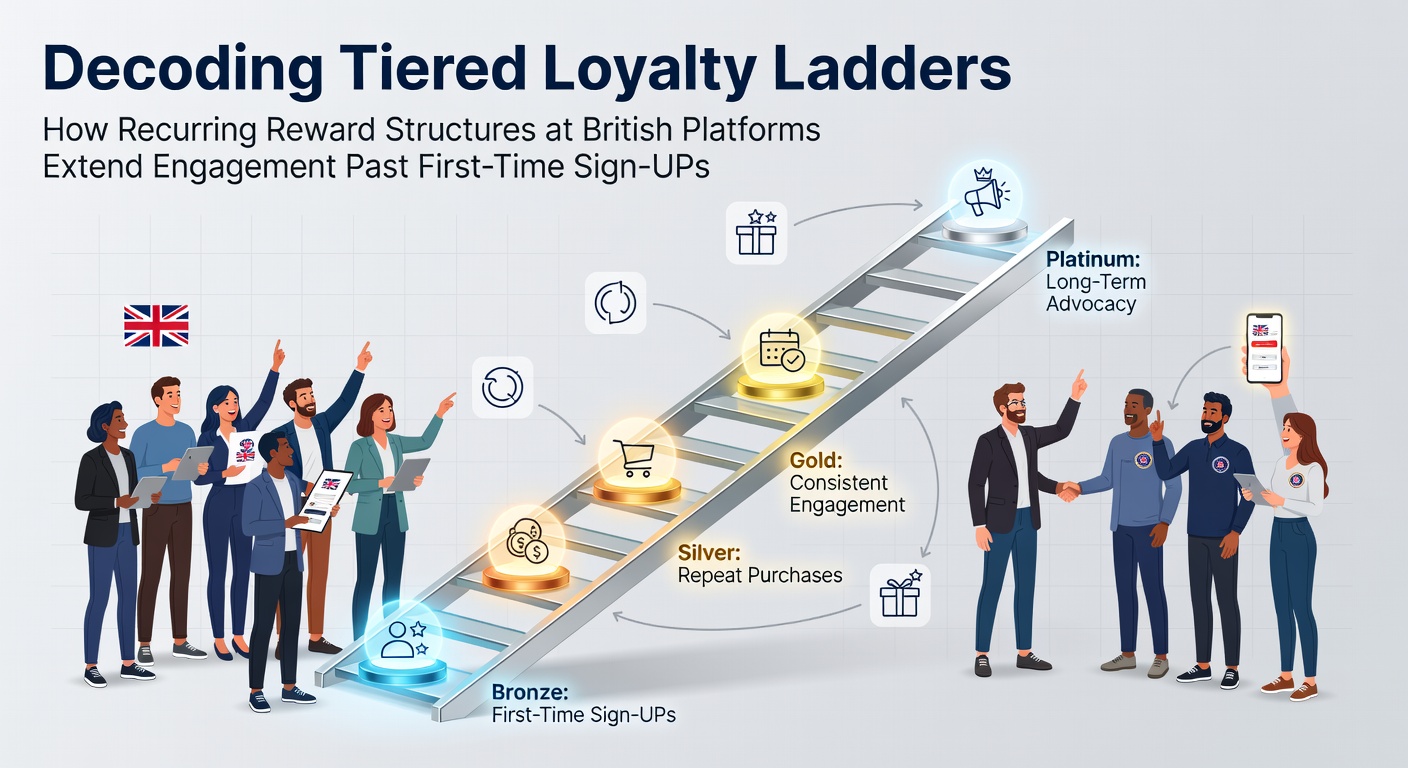
Platforms across Britain have refined tiered loyalty ladders into sophisticated engines that convert one-time sign-ups into sustained activity, and these structures operate through progressive point systems that unlock escalating benefits as users accumulate bets and engagement metrics. Observers note that entry-level tiers often grant modest cashback percentages and occasional free bets, yet higher rungs deliver personalized odds boosts, exclusive event access, and accelerated withdrawal processing, which together create clear incentives for repeated visits.
Mechanics Behind Progressive Reward Accumulation
Users earn points primarily through wager volume, with many sites assigning multipliers based on bet type and odds level, and this calculation method encourages diversification across sports and casino products rather than isolated football accumulators. Points reset on monthly or quarterly cycles in some programs, while others maintain rolling tallies that carry forward partial progress, allowing steady climbers to reach premium status without starting from zero each period. Research indicates that platforms calibrate these thresholds carefully, setting silver-tier entry around 5,000 points and gold beyond 15,000, figures that translate into meaningful betting activity for regular participants.
And the progression does not stop at static rewards, because several operators layer in streak bonuses where consecutive active days multiply point earnings, a tactic that transforms occasional logins into habitual behavior. Those who've studied retention patterns recognize how these recurring structures reduce reliance on aggressive acquisition campaigns, since existing users generate higher lifetime value once embedded in the ladder system.
Retention Data and Industry Benchmarks
Figures from the European Gaming and Betting Association reveal that operators employing multi-tier loyalty models report average session increases of 28 percent among users who reach mid-tier status within their first quarter, compared with those who remain at base level. This lift appears across both mobile and desktop channels, though mobile apps often integrate push notifications that alert members to nearing tier thresholds or limited-time multipliers. What's interesting is how these notifications function less as reminders and more as behavioral nudges, prompting small top-up bets that keep accounts active during quieter midweek periods.
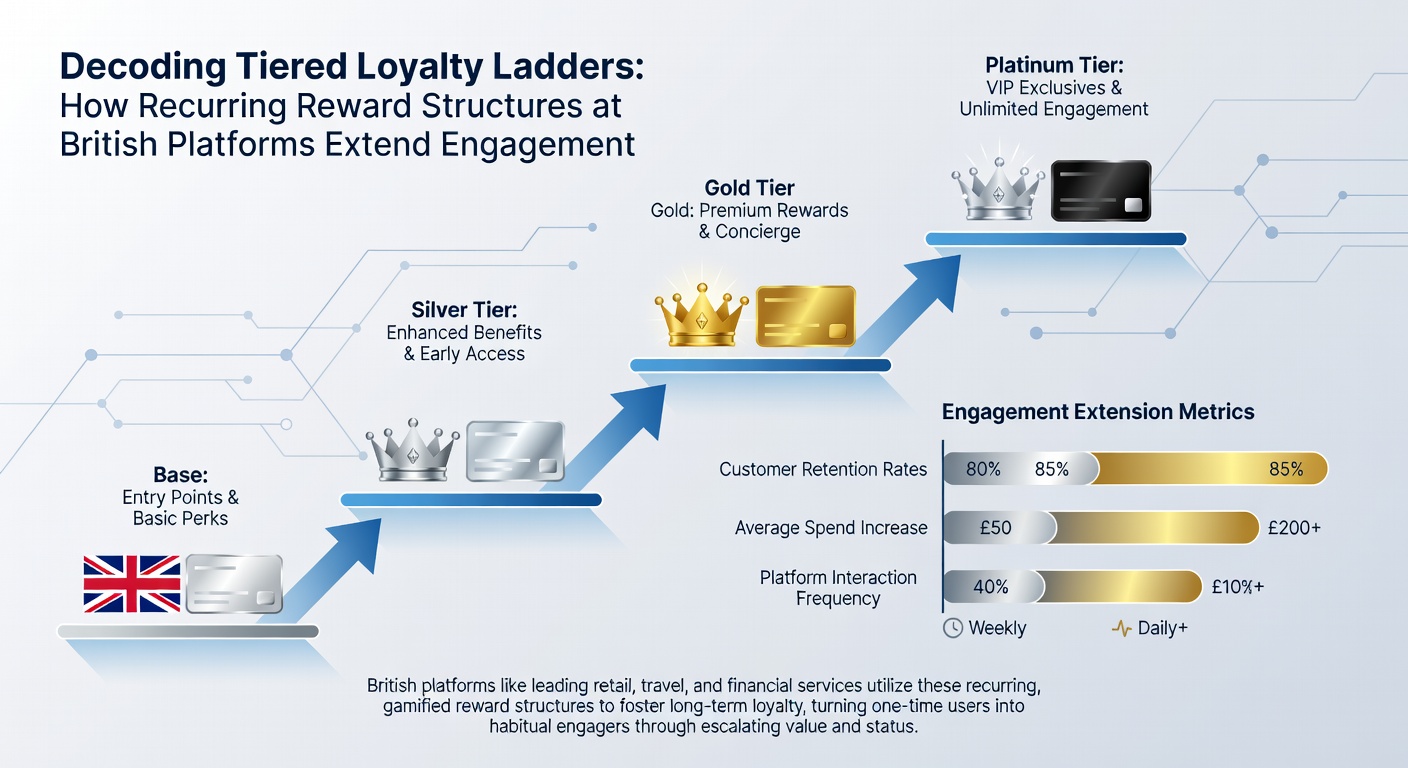
But here's the thing: not every participant climbs equally, since casual bettors may stall at bronze while high-volume players accelerate through tiers via volume alone, and platforms counterbalance this by offering alternative pathways such as social media challenges or referral milestones that award bonus points outside pure wagering. Data shows these hybrid routes broaden participation and prevent the ladder from feeling exclusively reserved for heavy spenders.
Case Examples from Established Operators
Take one major British platform that introduced a four-tier system in late 2025, where platinum members receive dedicated account managers and early access to new game releases, benefits that have coincided with a documented 34 percent rise in monthly active users through April 2026. Another site ties loyalty points directly to its live streaming service, granting higher-tier users ad-free access and enhanced in-play statistics during Premier League fixtures, which extends dwell time far beyond the initial sign-up window. Observers note that these integrations turn loyalty status into a status symbol within betting communities, prompting users to reference their tier achievements in forums and social groups.
Yet the most effective ladders incorporate flexibility, allowing points to convert into multiple reward formats including free spins, deposit matches, or even merchandise, and this choice architecture lets users select options aligned with their preferences rather than forcing a single redemption path. Platforms refresh these catalogs seasonally, introducing cricket-specific boosts ahead of the summer schedule or festival-themed casino offers, which maintains relevance as sporting calendars shift.
Future Adjustments Anticipated for 2026
With regulatory scrutiny continuing into May 2026, several operators have signaled plans to embed responsible gaming checkpoints within their loyalty frameworks, such as optional spending caps that still permit tier progression at reduced rates. Industry reports suggest these adaptations aim to align reward structures with emerging affordability tools without dismantling the engagement benefits that have proven effective at retaining users past the first deposit cycle. Those monitoring platform updates expect further personalization driven by machine learning models that predict optimal reward timing for individual accounts.
Conclusion
Tiered loyalty ladders have evolved into central retention tools on British platforms, converting initial curiosity into habitual participation through layered incentives that reward consistency and volume. Data from multiple operators confirms measurable lifts in session frequency and duration once users advance beyond entry levels, while flexible redemption options and integrated features keep the experience fresh across seasons. As the market continues to mature, these recurring structures stand poised to define long-term engagement strategies well into the latter half of the decade.