Tracing Reward Pathways: How Structured Incentive Programs Shape Betting Habits in the United Kingdom
Written by Kai Peters · May 23, 2026
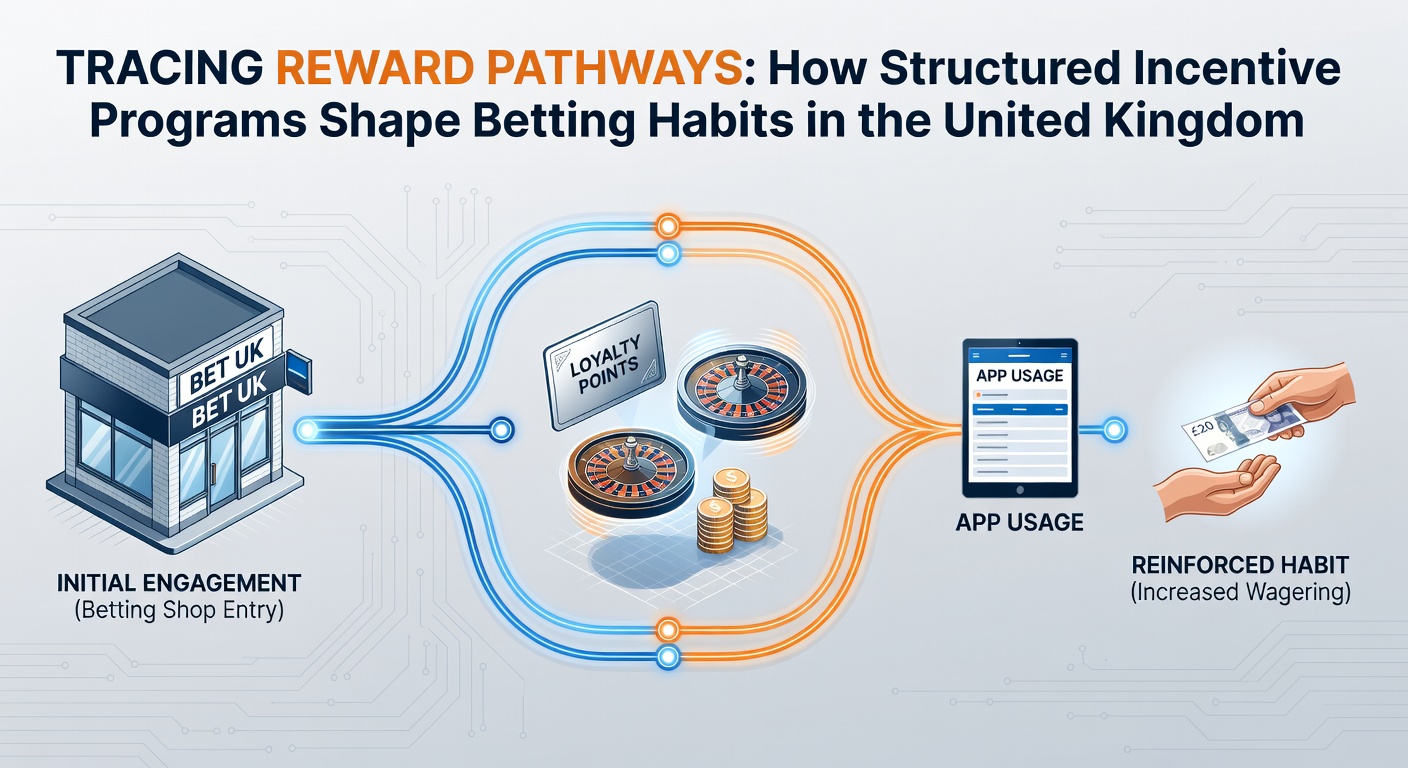
Tracing Reward Pathways: How Structured Incentive Programs Shape Betting Habits in the United Kingdom
Structured incentive programs have become central to how betting operators engage customers across the United Kingdom, with layered rewards systems that track activity and deliver benefits based on volume and consistency. These programs typically include points accumulation tied directly to stakes placed, tiered membership levels that unlock higher cashback percentages, and periodic bonuses that require ongoing participation to maintain status. Research from academic institutions indicates that such mechanisms influence the frequency and duration of betting sessions by creating visible progress markers that encourage repeated returns.
Mechanics Behind Points and Tier Systems
Operators design these pathways so that every wager contributes to a running total, with points converting into credits, free spins, or enhanced odds at predetermined thresholds. Higher tiers often demand minimum monthly activity, which means participants adjust their schedules to meet requirements and preserve accumulated benefits. Data collected by industry analysts shows that once users reach mid-level status, the perceived value of retained perks correlates with extended play periods and diversified bet types across sports and casino products.
Redemption options vary by operator, yet most structures reward loyalty through accelerated earning rates that scale with tier advancement, creating a feedback loop where larger wagers generate proportionally greater returns in non-cash form. Observers note that this scaling effect appears most pronounced among users who begin with modest stakes but increase volume to accelerate progress toward the next level.
Behavioral Patterns Linked to Reward Structures
Studies conducted by researchers at the University of Nevada, Las Vegas have examined how similar incentive frameworks affect decision-making in gambling environments, revealing measurable shifts in session length when progress bars and milestone notifications remain visible during play. In the United Kingdom, parallel patterns emerge where bettors time their activity around promotional windows tied to reward resets, such as monthly tier reviews or seasonal multipliers. Those who've examined account-level data find that users enrolled in multi-tier programs place bets on a wider range of events compared with non-participants, spreading activity to accumulate points across categories.
What's significant is the way these systems integrate with live betting interfaces, allowing points to accrue in real time and prompting immediate additional wagers to reach the next redemption bracket. Figures from European research consortia indicate that participants in structured programs demonstrate higher retention rates over six-month periods than those using flat promotional offers without progression elements.
Data Trends Observed Through 2026
As of May 2026, tracking reports compiled by international gaming associations highlight steady growth in the proportion of UK betting accounts enrolled in tiered loyalty schemes, with participation rates exceeding sixty percent among active users. This expansion coincides with refinements in app design that surface reward balances prominently, reducing the steps needed to monitor progress. Academic papers published in the Journal of Gambling Studies document correlations between visible reward tracking and increased bet frequency, particularly during periods when operators introduce double-points events lasting several days.
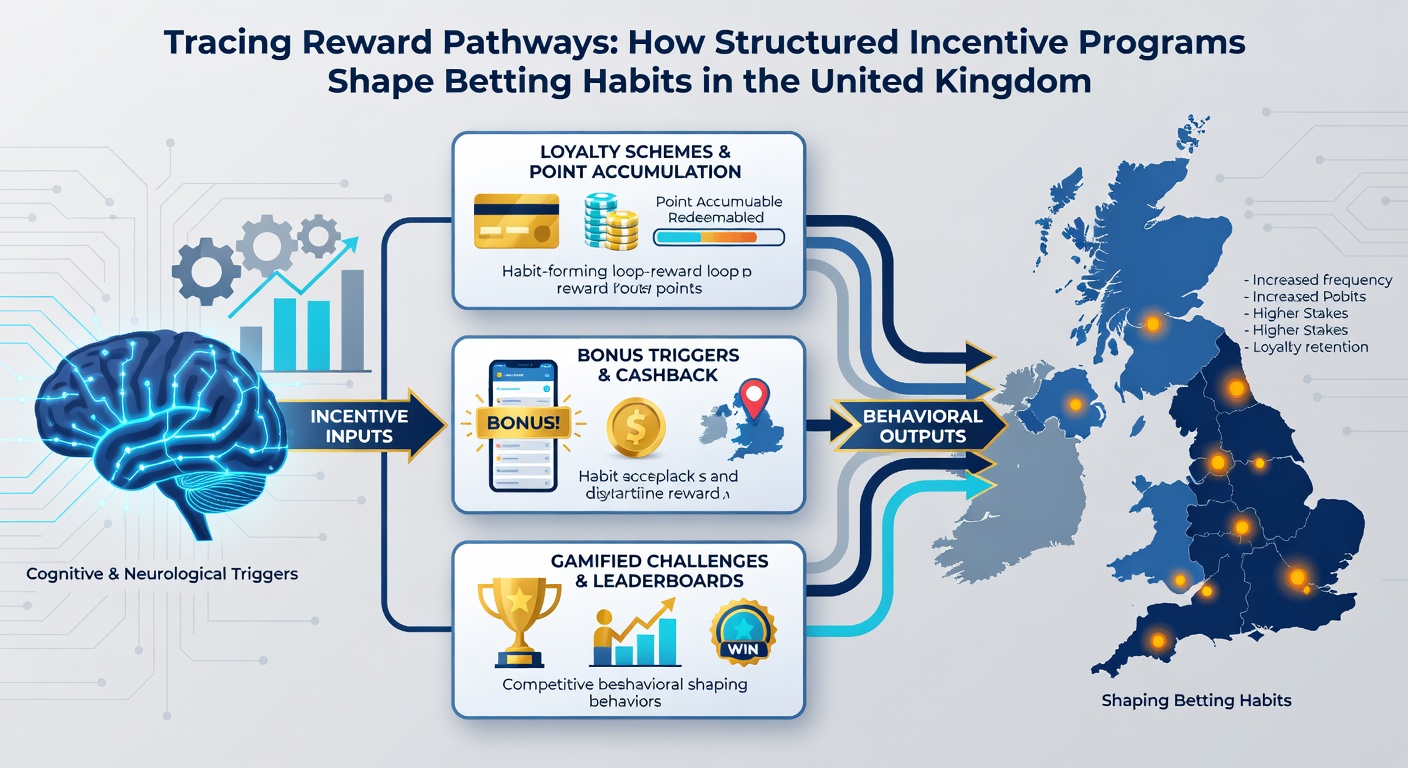
One analysis of transaction records revealed that users who achieve top-tier status maintain average stake levels even when external economic factors fluctuate, suggesting that the accumulated benefits function as an anchor for continued engagement. External data shared through collaborative studies between Canadian and Australian research bodies further supports observations that structured rewards extend the typical lifecycle of betting accounts by several months compared with accounts operating without such frameworks.
Regulatory Context and Reporting Requirements
Operators must balance incentive design against requirements set by various oversight bodies, including rules around transparency of terms and restrictions on targeting vulnerable groups. In practice, this means clear disclosure of earning rates and redemption conditions appears alongside each promotion, while automated systems flag unusual patterns that might indicate problem gambling. Those who've reviewed compliance reports note that reward pathways now incorporate mandatory cooling-off prompts once certain thresholds are reached within a single session.
Industry organizations such as the European Gaming and Betting Association have published guidelines encouraging operators to separate reward mechanics from direct marketing to minors and to provide tools that allow users to set personal limits on points accumulation. These measures aim to preserve the engagement benefits of structured programs while mitigating potential overextension.
Cross-Operator Comparisons and Market Shifts
Competition among major platforms has driven differentiation in how rewards convert, with some emphasizing instant cashback on losses and others focusing on long-term status perks such as personalized account managers or event invitations. Transaction data indicates that users frequently maintain accounts across multiple operators to maximize different reward structures simultaneously, a pattern that has become more visible since 2024. Research teams tracking these multi-account behaviors report that the combined effect produces more consistent weekly activity levels than single-platform engagement alone.
Conclusion
Structured incentive programs continue to influence betting participation in the United Kingdom through measurable mechanisms that reward consistency and volume. Available data from academic and industry sources demonstrates clear associations between tier progression features and changes in session frequency, stake distribution, and account longevity. As operators refine these pathways through 2026 and beyond, the emphasis remains on transparent design that aligns with regulatory expectations while delivering tangible benefits tied to user activity.